Author
Books like Han Kang
9 books we recommend to Han Kang readers, drawn from The Vegetarian, Human Acts and The White Book — each with the reason why.
If you loved The Vegetarian
Natsuki believes she is an alien stranded among humans, a conviction that lets Murata expose marriage, work, and family as systems designed to discipline unruly bodies. Like Han Kang, she takes a woman’s refusal seriously even when everyone around her calls it madness.
Murata’s deceptively plain prose makes the novel’s increasingly grotesque turns feel horribly logical. Readers who admired how The Vegetarian moves from social embarrassment to existential terror will find Earthlings even more audacious: a notorious, fiercely divisive novel from the author of Convenience Store Woman that tests just how far liberation can go before it becomes unrecognizable.
Cassie is born with her abdomen tied in a literal knot. From that surreal fact, Etter builds a whole world in which the pain imposed on women becomes visible architecture: bodies carry expectations, shame acquires physical weight, and domestic normality feels like a particularly efficient nightmare.
This Shirley Jackson Award-winning novel has the concentrated force of a dark fable, but its imagery is startlingly tactile rather than merely symbolic. If the transformation in The Vegetarian felt to you less like fantasy than the truest possible expression of suffering, The Book of X is essential reading.
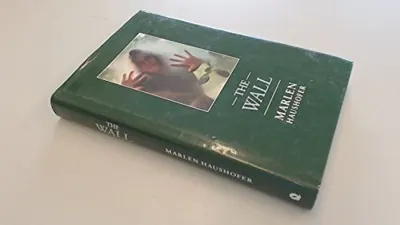
A woman visiting a hunting lodge wakes to find herself cut off from the rest of the world by an invisible barrier. What follows is not a conventional survival adventure but a patient stripping-away of social identity. Her attention shifts toward weather, labor, animals, hunger, and the difficult ethics of remaining alive.
Where Yeong-hye is observed and interpreted by others, Haushofer’s narrator controls the page herself; the result feels like the other side of the same radical withdrawal. First published in 1963 and since reclaimed as a feminist and ecological classic, The Wall inspires unusual devotion because its solitude feels both terrifying and lucid. Its quiet will stay with you like altered weather.
If you loved Human Acts

Shibli’s short, devastating novel has the same moral precision as Human Acts: every object, bodily sensation, and silence matters. An atrocity committed during the 1948 Arab–Israeli war is followed decades later by a woman’s obsessive attempt to understand it. The novel refuses consoling eloquence; its cool repetitions and omissions force the reader to confront how violence survives in landscapes, borders, and daily habits.
Shortlisted for the International Booker Prize, Minor Detail is a masterclass in restraint. If Han Kang’s refusal to sentimentalize suffering moved you, Shibli’s fierce, exacting prose is indispensable.
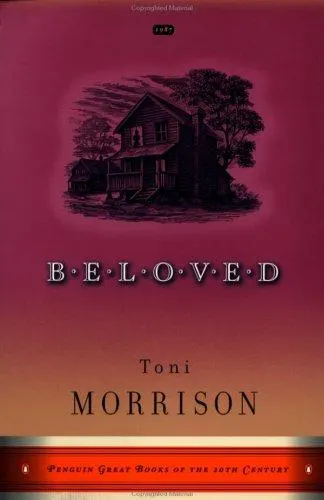
Few novels equal Human Acts in making history simultaneously bodily, intimate, and haunted. From its opening, Morrison’s post–Civil War household is inhabited by what cannot be buried: memory becomes a presence, language fractures under pressure, and private love is inseparable from collective catastrophe.
Morrison’s polyphonic storytelling offers the deepest kinship with Han Kang’s shifting voices. Both writers ask who may speak for the dead, how trauma passes between people, and whether a community can bear witness without mastering another person’s pain. Winner of the Pulitzer Prize and now foundational to American literature, Beloved has lost none of its capacity to astonish or wound; avoiding it means missing one of the supreme achievements of the modern novel.
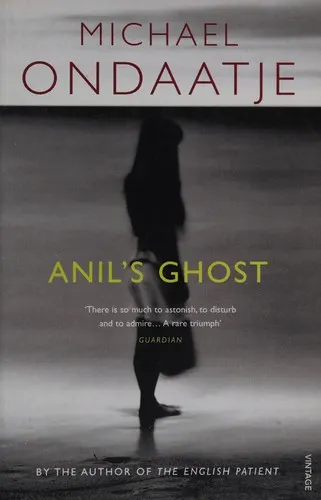
A forensic anthropologist returns to civil-war-torn Sri Lanka and examines an unidentified skeleton whose bones may expose a political killing. Ondaatje turns that investigation into something larger: a meditation on naming the dead, preserving evidence, and making art when power depends upon disappearance.
Like Human Acts, Anil’s Ghost moves through several consciousnesses rather than granting one protagonist ownership of the tragedy. Its fragments—anatomical, archaeological, artistic—accumulate into a charged portrait of people performing exact, tender work amid terror. The novel won Canada’s Giller Prize and France’s Prix Médicis étranger, but its lasting distinction is quieter: it makes the recovery of one human identity feel like an act of resistance.
If you loved The White Book
A mother and daughter travel together in Japan, visiting galleries, eating simple meals, and walking through persistent rain. Almost nothing is explained outright; every courteous exchange seems to shelter another, unspoken conversation.
Like The White Book, this slender novel trusts exact observation to carry enormous emotional weight. Fabrics, food, weather, and artworks become instruments for thinking about memory and the distance between people who love one another. Winner of the inaugural Novel Prize, it is a quiet masterpiece of implication—the sort of book that subtly changes how you look at ordinary things.

In the aftermath of a mother’s death, a father and his two young sons receive an impossible visitor: Crow, foul-mouthed, tender, theatrical, and determined to remain until he is no longer needed.
Porter’s International Dylan Thomas Prize–winning debut breaks grief into voices, shards, jokes, lists, and bursts of lyric intensity. Where Han Kang finds radiance in white objects and restraint, Porter lets mourning become noisy, animal, and unruly. Yet both books understand that experimental form can tell the truth when conventional narrative cannot. It is devastating, strange, and unexpectedly funny—and its audacity makes it unforgettable.
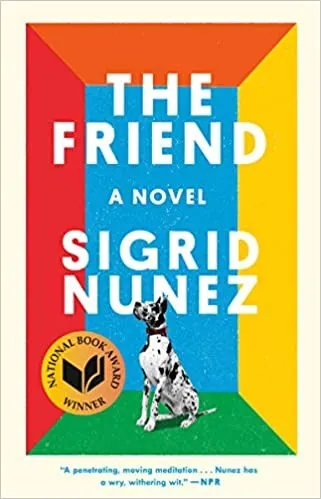
After her closest literary friend dies, an unnamed writer unexpectedly becomes responsible for his enormous Great Dane. Her apartment does not allow dogs; her mind does not allow easy consolation.
Nunez turns this opening into a lucid, intimate meditation on mourning, companionship, writing, and the stories people tell about the dead. The novel’s intelligence is conversational rather than austere, but admirers of Han Kang will recognize its movement between essay, memory, and direct address to someone absent. Winner of the National Book Award, The Friend earns its reputation sentence by sentence: unsentimental, slyly funny, and piercing about the ways love survives as attention.