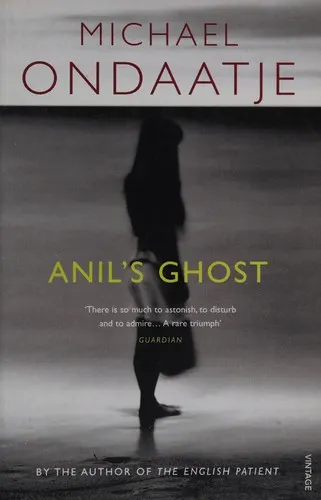
Books like Anil's Ghost
In Anil's Ghost, one damaged body can carry more truth than a state’s entire apparatus of denial. These novels share its faith in fragile evidence, its lyrical restraint, and its refusal to make political violence morally simple.
If you liked Anil's Ghost, you’ll love these
Not lookalikes — kindred books. Each one shares something essential with Anil's Ghost, and we tell you exactly what.
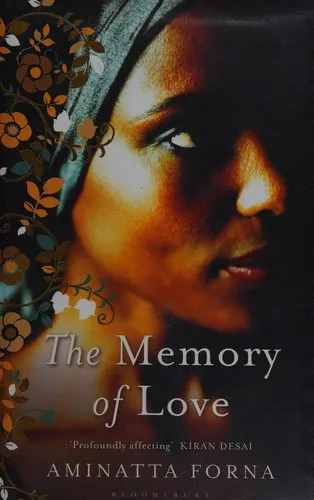
In postwar Sierra Leone, a British psychologist treats people whose suffering does not fit his tidy clinical categories, while an elderly professor entrusts him with a story of love, ambition, and betrayal. Like Ondaatje, Forna moves among medicine, private memory, and national catastrophe, showing how trauma survives in gestures, evasions, and compromised loyalties.
Winner of the Commonwealth Writers’ Prize, the novel is more expansive than Anil's Ghost but comparably subtle: its revelations alter the moral meaning of what came before rather than merely solving mysteries. Forna makes the aftermath of war feel intimate, bodily, and inescapable.

Jawad longs to become a sculptor, but his family’s vocation is washing and preparing the dead for burial. As Baghdad is consumed by successive wars, the work he hoped to escape becomes impossible to avoid.
The kinship with Anil's Ghost lies in its extraordinary attention to hands, bodies, and matter. Art and death compete for Jawad’s touch; ritual becomes both an act of love and a record of political destruction. Antoon’s spare, haunting novel never turns corpses into symbols before restoring their human particularity. It is one of the essential novels of modern Iraq, and its final emotional force is wildly disproportionate to its slender size.
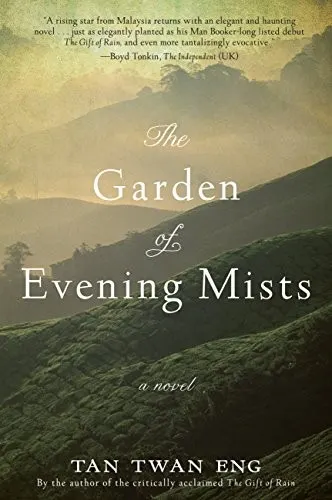
A retired judge, facing the erosion of her memory, returns to a garden created by a former gardener to Japan’s emperor. Decades earlier, she had sought him out to build a memorial for her sister, who died after their imprisonment during the Japanese occupation of Malaya.
Tan shares Ondaatje’s fascination with exacting disciplines: gardening, law, tattooing, architecture. Each can preserve beauty, conceal guilt, or encode testimony. The novel’s sensuous landscapes never soften its questions about complicity and remembrance; beauty itself becomes morally unstable. Winner of the Man Asian Literary Prize and shortlisted for the Booker, it has the rare density of a book whose images continue disclosing meanings long after the story ends.