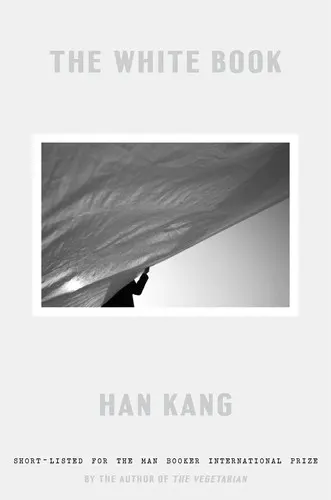
Books like The White Book
Afterimages. These novels share Han Kang’s gift for making absence palpable: through fragments, charged objects, silence, and prose pared close to poetry.
If you liked The White Book, you’ll love these
Not lookalikes — kindred books. Each one shares something essential with The White Book, and we tell you exactly what.
A mother and daughter travel together in Japan, visiting galleries, eating simple meals, and walking through persistent rain. Almost nothing is explained outright; every courteous exchange seems to shelter another, unspoken conversation.
Like The White Book, this slender novel trusts exact observation to carry enormous emotional weight. Fabrics, food, weather, and artworks become instruments for thinking about memory and the distance between people who love one another. Winner of the inaugural Novel Prize, it is a quiet masterpiece of implication—the sort of book that subtly changes how you look at ordinary things.
In the aftermath of a mother’s death, a father and his two young sons receive an impossible visitor: Crow, foul-mouthed, tender, theatrical, and determined to remain until he is no longer needed.
Porter’s International Dylan Thomas Prize–winning debut breaks grief into voices, shards, jokes, lists, and bursts of lyric intensity. Where Han Kang finds radiance in white objects and restraint, Porter lets mourning become noisy, animal, and unruly. Yet both books understand that experimental form can tell the truth when conventional narrative cannot. It is devastating, strange, and unexpectedly funny—and its audacity makes it unforgettable.
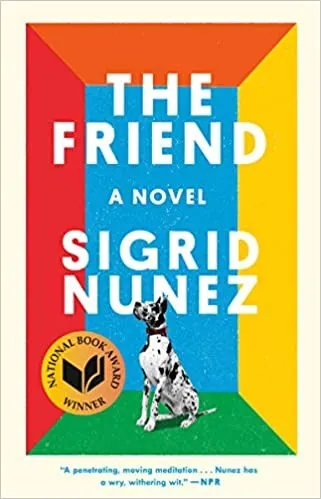
After her closest literary friend dies, an unnamed writer unexpectedly becomes responsible for his enormous Great Dane. Her apartment does not allow dogs; her mind does not allow easy consolation.
Nunez turns this opening into a lucid, intimate meditation on mourning, companionship, writing, and the stories people tell about the dead. The novel’s intelligence is conversational rather than austere, but admirers of Han Kang will recognize its movement between essay, memory, and direct address to someone absent. Winner of the National Book Award, The Friend earns its reputation sentence by sentence: unsentimental, slyly funny, and piercing about the ways love survives as attention.