Author
Books like Gloria Naylor
4 books we recommend to Gloria Naylor readers, drawn from The Women of Brewster Place and Mama Day — each with the reason why.
If you loved The Women of Brewster Place
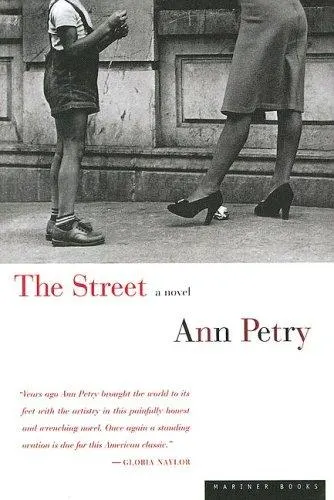
The opening pages follow Lutie Johnson through a vicious Harlem wind as she searches for an apartment; immediately, the street itself seems to be shoving her back. Petry builds from that sensation a devastating account of a capable Black woman trying to secure independence for herself and her son while every supposedly neutral institution is tilted against her.
A reader who admired how Naylor makes the wall, the tenements, and the neighborhood embody accumulated injustice will recognize Petry’s equally exact understanding of environment as pressure. Yet Lutie is never reduced to an example: her hopes, judgments, pride, and blind spots remain fiercely her own. Published in 1946, The Street became the first novel by an African American woman to sell more than a million copies. Its anger has not dated, and its suspense makes its social vision feel frighteningly immediate.
Bambara begins with healer Minnie Ransom asking the exhausted Velma Henry whether she truly wants to be well. Around that question, an entire Black community comes alive: activists, elders, workers, spirits, gossips, memories, and competing political commitments all crowd into the book’s charged language.
This is the recommendation for the reader most moved by Brewster Place’s transformation of separate suffering into collective reckoning. Bambara does not sentimentalize community—its demands can wound as well as sustain—but she renders healing as social, historical, and spiritual work. Winner of an American Book Award, The Salt Eaters is dense, funny, incantatory, and unlike almost anything else: a novel whose many voices do not simply describe communal life but enact it.
If you loved Mama Day
Tracks is told through two irreconcilable voices: the wily elder Nanapush and the embittered Pauline. Between their accounts stands Fleur Pillager, a magnetic Ojibwe woman around whom rumor, desire, fear, and something like myth gather. Erdrich never tells you which voice owns the truth; history survives through contradiction.
That doubleness will feel especially rich to a reader who loved Naylor’s shifting perspectives and her refusal to separate family legend from fact. The novel’s deepest subject is the bond between people and threatened ancestral land, rendered with bawdy humor, grief, and uncanny force. Widely regarded as one of Erdrich’s finest novels, Tracks is short enough to read quickly and layered enough to haunt every rereading.
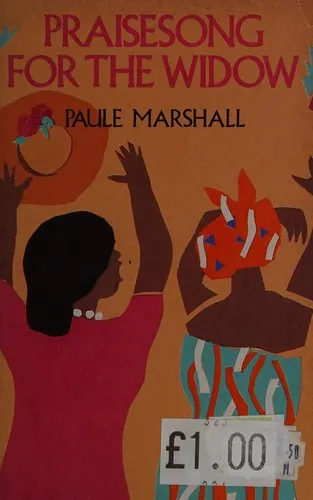
Avey Johnson has achieved the prosperous, respectable life she and her late husband worked for, yet during a luxury cruise her body rebels and old memories begin breaking through. Marshall turns that rupture into an extraordinary reckoning with what advancement can cost when it requires severing oneself from inherited rhythms, stories, and obligations.
Readers who loved Cocoa’s divided allegiance to New York and Willow Springs will recognize Marshall’s profound understanding of belonging: not nostalgia, but a living claim upon the self. Her prose can be stately, sensuous, and suddenly ecstatic, especially when music and dance become forms of knowledge. An American Book Award winner and a landmark of Black women’s fiction, Praisesong for the Widow offers the rare exhilaration of watching memory become not a burden, but a road home.