Author
Books like George Orwell
5 books we recommend to George Orwell readers, drawn from Nineteen Eighty-Four and Animal Farm — each with the reason why.
If you loved Nineteen Eighty-Four
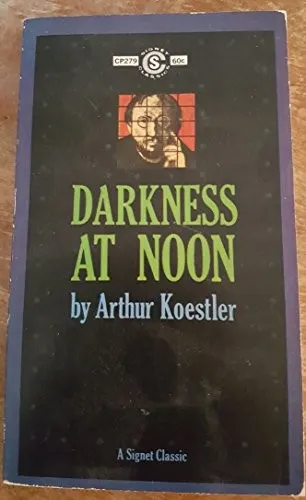
Rubashov, an old revolutionary imprisoned by the regime he helped create, waits to learn what logic—or invented crime—will be used against him. The resulting contest is fought through interrogation, memory, and argument rather than action.
Like Orwell, Koestler understands that totalitarianism seeks more than obedience: it wants its victims to endorse the lie. But Darkness at Noon is especially chilling because Rubashov already speaks the system’s language. His intelligence becomes a trap as the state turns his own ideals against him. Published in 1940 and shaped by the Moscow trials, this hugely influential political novel remains one of the sharpest accounts of ideology consuming both its enemies and its believers. Anyone haunted by Winston’s struggle to preserve an inviolate self should read its indispensable psychological counterpart.
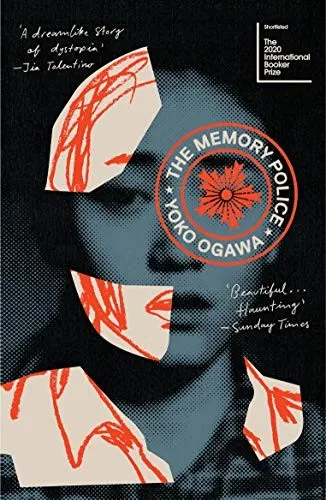
On an unnamed island, objects periodically “disappear”: birds, ribbons, roses. Most inhabitants soon forget what was lost, while the Memory Police ensure that nothing survives—not the objects, not the words, not even the private act of remembering them.
Ogawa exchanges Orwell’s harsh polemic for quiet, dreamlike dread. That gentleness makes the coercion feel eerily intimate: a vanished thing leaves a hole in language, then in memory, then in the self. The novel asks what resistance can mean when people can no longer name what has been taken from them. A finalist for the National Book Award for Translated Literature and shortlisted for the International Booker Prize, it has become a modern classic of haunting, understated speculative fiction. Its atmosphere lingers like the recollection of something precious you cannot quite retrieve.
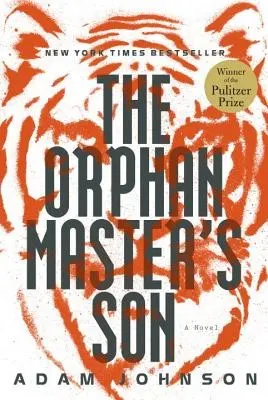
Pak Jun Do grows up under a name that is barely his own and enters a world where the state can assign a job, revise a biography, or broadcast a fiction until it becomes public fact. Johnson makes that assault on reality both terrifying and wildly propulsive, moving between brutal institutions, intimate longing, dark comedy, and the booming certainty of official propaganda.
A reader of Nineteen Eighty-Four will recognize the central horror: power does not merely conceal truth but claims authorship over it. Yet Jun Do’s unstable identity gives the idea fresh emotional force—if the regime owns your story, how can you remain yourself? Winner of the Pulitzer Prize for Fiction, The Orphan Master’s Son earned its acclaim by being far more than a political parable: it is inventive, suspenseful, strange, and unexpectedly moving. Its vision of human beings fighting to possess their own lives is difficult to shake.
If you loved Animal Farm
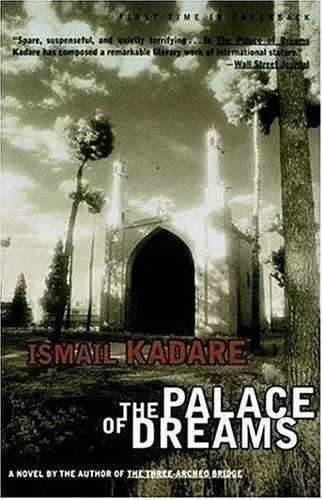
Kadare builds his nightmare around a wonderfully simple invention: an imperial ministry collects citizens’ dreams, searching them for omens of sedition. A young man joins its bureaucracy and discovers an institution at once absurd, mundane, and almost impossible to resist.
The kinship with Animal Farm lies in the deadpan precision with which an irrational system acquires rules, offices, and obedient servants. Published under Albania’s dictatorship and swiftly condemned there, the novel turns bureaucracy into myth without losing its political bite. Kadare, later the inaugural International Booker Prize winner, makes every corridor in the Palace feel like part of an empire’s mind.
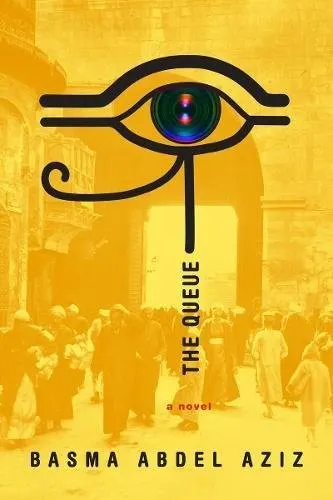
After a failed uprising, citizens must obtain permission from the Gate—an authority that never opens yet steadily expands its control. A wounded man joins the queue outside, where paperwork, rumor, official denials, and ordinary human needs accumulate.
Abdel Aziz’s satire has Orwell’s gift for making tyranny both ridiculous and lethal. Its sharpest insight is that power need not persuade people of one grand lie; it can exhaust them with forms, delays, contradictory instructions, and the demand that they deny what they have seen. The Queue is a lean, unnervingly contemporary fable, and its impossible bureaucracy will remain recognizable long after the final page.