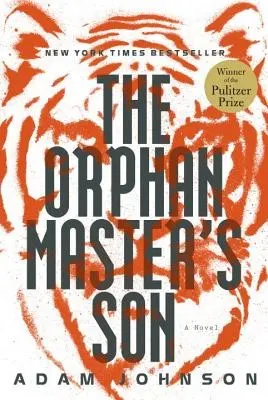
Books like The Orphan Master's Son
The novel’s boldest trick is that North Korea’s loudspeaker lies invade the storytelling itself, until identity feels like something the state can revise—and love becomes an act of unauthorized truth.
If you liked The Orphan Master's Son, you’ll love these
Not lookalikes — kindred books. Each one shares something essential with The Orphan Master's Son, and we tell you exactly what.
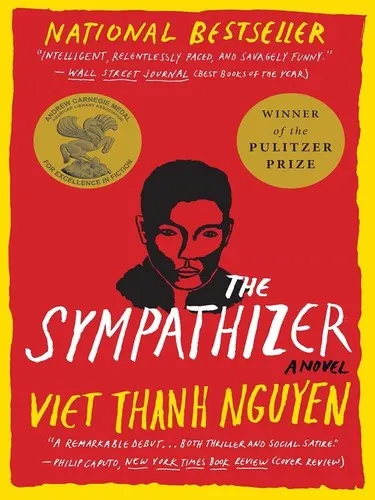
Like Jun Do, Nguyen’s unnamed narrator survives by inhabiting incompatible identities: he is a South Vietnamese officer, a communist spy, and a man increasingly unsure which voice is his own. His confession is mordantly funny, intellectually ferocious, and alert to the ways propaganda colonizes even private memory.
Winner of the Pulitzer Prize, The Sympathizer matches Johnson’s rare combination of political audacity and compulsive storytelling. Its sentences crackle with divided loyalties; its satire exposes every side’s self-serving myths. If you loved watching The Orphan Master’s Son turn ideological language into both a weapon and a joke, this is essential.
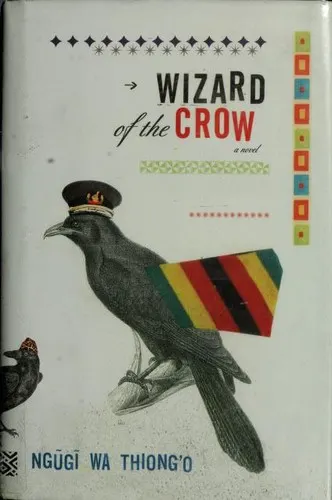
In the fictional dictatorship of Aburĩria, a ruler dreams of building a tower high enough to reach heaven while ministers compete in ever more grotesque displays of obedience. Ngũgĩ makes tyranny simultaneously ridiculous and terrifying: absurd projects consume real bodies, rumors become political forces, and theatrical performance offers the powerless a dangerous kind of freedom.
This vast, exuberant novel shares Johnson’s understanding that dictatorship is not merely government by violence—it is government by deranged storytelling. Written in Gikuyu and translated by Ngũgĩ himself, Wizard of the Crow is one of his towering achievements: a bawdy, furious, inventive book whose comedy never softens its indictment.
Grossman brings the machinery of totalitarianism down to the scale of kitchens, friendships, frightened compromises, and letters between people who may never meet again. Moving among soldiers at Stalingrad, scientists, prisoners, and families, he shows how regimes demand not only obedience but possession of the inner life—and how small acts of kindness escape their accounting.
The Soviet authorities considered the novel so dangerous that the KGB seized its manuscript; a surviving copy was eventually smuggled abroad. Its subsequent reputation as a twentieth-century masterpiece is deserved. Where Johnson offers a feverish fable about preserving the self against an all-consuming state, Grossman supplies the monumental human panorama: devastating, lucid, and sustained by an almost defiant tenderness.