Author
Books like D. H. Lawrence
8 books we recommend to D. H. Lawrence readers, drawn from Lady Chatterley's Lover, Sons and Lovers and The Rainbow — each with the reason why.
If you loved Lady Chatterley's Lover
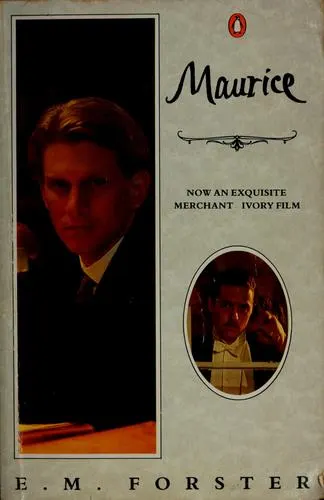
Forster shares Lawrence’s conviction that society can make people strangers to their own bodies. Maurice begins amid embarrassment, euphemism, and rigid English respectability, then quietly asks whether honest desire might matter more than education, status, or approval.
Where Lawrence is volcanic, Forster is lucid and tender; his rebellion steals up on you. Written in an era that made publication impossible and dedicated “To a Happier Year,” the novel appeared posthumously and became a landmark of gay literature. Its defiance of class and sexual repression—and its belief in a freer life beyond the drawing room—make it an indispensable companion to Lady Chatterley.
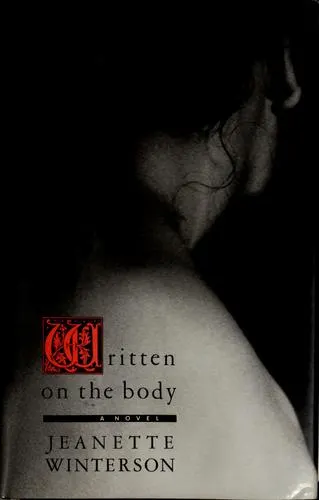
Winterson takes Lawrence’s belief that the body possesses its own intelligence and turns it into dazzling verbal music. An unnamed, ungendered narrator addresses a beloved with wit, hunger, jealousy, and near-religious attention, making anatomy itself into a language of intimacy.
This is less pastoral than Lady Chatterley and more distilled: erotic love stripped of social labels, examined down to nerve and bone. One of Winterson’s signature novels, it has inspired devoted readers because its sentences make desire feel at once physical and metaphysical. Anyone moved by Lawrence’s attempt to rescue sex from shame should experience what Winterson does with that inheritance.
If you loved Sons and Lovers

On a seaside holiday, Leda becomes fascinated by a young mother and daughter. From that modest beginning, Ferrante opens a nerve-racking inquiry into maternal devotion, resentment, bodily shame, and the parts of ourselves that survive beneath respectable adulthood.
Where Sons and Lovers shows a son struggling inside a mother’s emotional claim, Ferrante gives the mother’s consciousness its full, disquieting complexity. Her prose is cooler than Lawrence’s, but equally fearless about feelings people prefer to sentimentalize. This brief novel is among Ferrante’s most concentrated achievements: every observation tightens its psychological hold.

Shuggie adores Agnes—glamorous, wounded, alcoholic—and gradually makes her survival his private vocation. The kinship with Sons and Lovers lies not simply in the working-class setting or the consuming mother-son bond, but in Stuart’s understanding that love can become a child’s identity before he is old enough to choose one.
Winner of the Booker Prize, the novel earned its passionate readership through its combination of harshness and extravagant tenderness. Stuart renders humiliation, beauty, comedy, and domestic catastrophe without turning Agnes into a case study or Shuggie into a saint. Like Lawrence, he makes dependency feel at once noble and destructive.
Maggie Tulliver is one of the great figures in English fiction: intellectually hungry, emotionally excessive, fiercely attached to her family, and repeatedly forced to choose between her own nature and the claims of those she loves. Eliot follows her from a vivid provincial childhood into a world where affection, desire, class, and duty cannot be neatly reconciled.
A reader who loves Lawrence’s psychological candor will recognize the same refusal to separate character from family history or private longing from social pressure. Yet Eliot brings her own gifts: wit, moral intelligence, and an extraordinary tenderness toward imperfect people. Its place among the enduring nineteenth-century masterpieces is deserved; Maggie’s struggle to possess her own life remains painfully immediate.
If you loved The Rainbow
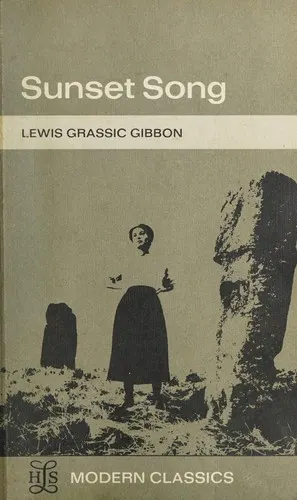
Chris Guthrie shares Ursula Brangwen’s divided hunger: she belongs sensuously to the land yet longs for education, freedom, and a self not prescribed by family or community. Gibbon makes that conflict audible in his Scots-inflected prose, which can move from village gossip to lyrical inwardness in a breath.
Like Lawrence, he treats modernization as something that alters bodies, speech, desire, and memory—not merely the scenery. Often regarded as a defining Scottish novel, Sunset Song has the elemental force of tragedy and the intimacy of a young woman thinking herself into existence.
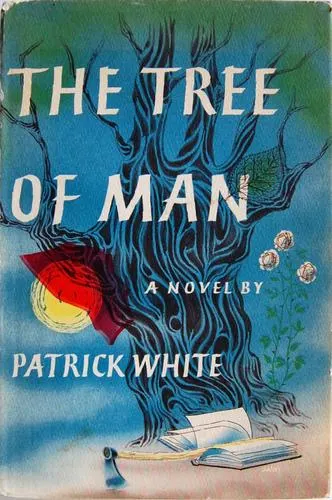
A man begins clearing a farm from the Australian wilderness; from that simple beginning, Patrick White creates an immense, searching portrait of marriage and ordinary life. Stan and Amy Parker are rendered through physical labor, sexual estrangement, private visions, resentment, tenderness, and the mysterious persistence of attachment.
White’s prose, by turns biblical, earthy, grotesque, and ecstatic, gives weather and landscape the same psychological intensity Lawrence gives them. This was the novel that established the future Nobel laureate internationally, and it remains one of the rare books capable of making an uncelebrated life feel inexhaustibly significant.
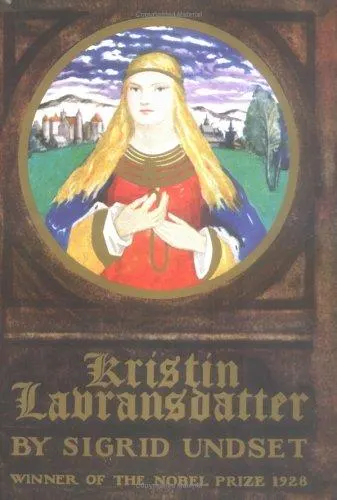
Undset’s masterpiece offers the moral and emotional amplitude that makes The Rainbow so consuming. Kristin is not reduced to a symbol of rebellion or romantic passion: her desires contend with loyalty, pride, faith, family inheritance, and an extraordinarily vivid awareness of bodily life.
The medieval world is rendered not as pageantry but as a dense fabric of work, kinship, law, appetite, and conscience. Undset received the Nobel Prize after creating this monumental work, yet its authority never feels institutional; it comes from how fiercely real Kristin becomes. In Tiina Nunnally’s translation especially, this is an absorbing encounter with a woman whose inner life seems larger than history.