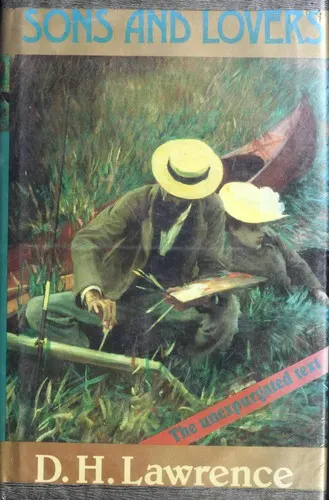
Books like Sons and Lovers
Elena Ferrante’s The Lost Daughter approaches Lawrence’s central emotional territory from the other side: the mother whose love both creates intimacy and threatens independence. Together with the two novels below, it explores family love as an unruly force—tender, possessive, humiliating, and inseparable from the struggle to become oneself.
If you liked Sons and Lovers, you’ll love these
Not lookalikes — kindred books. Each one shares something essential with Sons and Lovers, and we tell you exactly what.
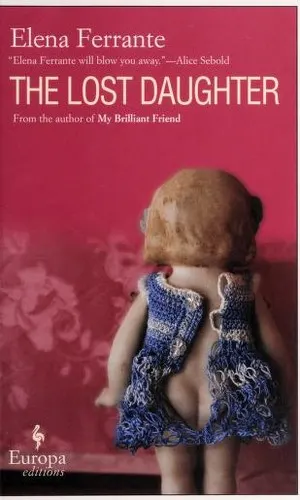
On a seaside holiday, Leda becomes fascinated by a young mother and daughter. From that modest beginning, Ferrante opens a nerve-racking inquiry into maternal devotion, resentment, bodily shame, and the parts of ourselves that survive beneath respectable adulthood.
Where Sons and Lovers shows a son struggling inside a mother’s emotional claim, Ferrante gives the mother’s consciousness its full, disquieting complexity. Her prose is cooler than Lawrence’s, but equally fearless about feelings people prefer to sentimentalize. This brief novel is among Ferrante’s most concentrated achievements: every observation tightens its psychological hold.

Shuggie adores Agnes—glamorous, wounded, alcoholic—and gradually makes her survival his private vocation. The kinship with Sons and Lovers lies not simply in the working-class setting or the consuming mother-son bond, but in Stuart’s understanding that love can become a child’s identity before he is old enough to choose one.
Winner of the Booker Prize, the novel earned its passionate readership through its combination of harshness and extravagant tenderness. Stuart renders humiliation, beauty, comedy, and domestic catastrophe without turning Agnes into a case study or Shuggie into a saint. Like Lawrence, he makes dependency feel at once noble and destructive.
Maggie Tulliver is one of the great figures in English fiction: intellectually hungry, emotionally excessive, fiercely attached to her family, and repeatedly forced to choose between her own nature and the claims of those she loves. Eliot follows her from a vivid provincial childhood into a world where affection, desire, class, and duty cannot be neatly reconciled.
A reader who loves Lawrence’s psychological candor will recognize the same refusal to separate character from family history or private longing from social pressure. Yet Eliot brings her own gifts: wit, moral intelligence, and an extraordinary tenderness toward imperfect people. Its place among the enduring nineteenth-century masterpieces is deserved; Maggie’s struggle to possess her own life remains painfully immediate.