Books like The Mill on the Floss
Wharton turns social pressure into a tightening vise; Hazzard makes it feel like fate glimpsed from a great height. Lawrence, meanwhile, matches Eliot’s elemental sense that family, landscape, desire, and conscience grow from the same tangled roots.
If you liked The Mill on the Floss, you’ll love these
Not lookalikes — kindred books. Each one shares something essential with The Mill on the Floss, and we tell you exactly what.
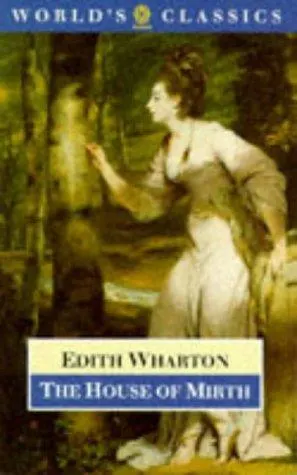
Lily Bart is kin to Maggie Tulliver not because their circumstances are alike, but because both women possess more vitality, perception, and longing than their worlds can comfortably accommodate. Wharton sees exactly how money, manners, gender, and reputation convert ordinary choices into moral traps.
Like Eliot, she refuses to make her heroine either a spotless victim or the author of her own troubles. Lily’s pride, generosity, evasions, and hunger for beauty are inseparable—and Wharton’s poised irony only sharpens the anguish. One of her defining novels, The House of Mirth offers the same devastating spectacle as The Mill on the Floss: a woman judged by a society too small to understand her, rendered by a novelist large-minded enough to understand everyone.
Readers who love the earthy, river-fed life of Eliot’s novel may find The Rainbow almost shockingly alive. Lawrence begins with the Brangwen family rooted in the English Midlands, then traces the struggle between inherited ways of living and the individual’s demand for a fuller existence.
Its great affinity with Eliot lies in its refusal to separate bodily desire, spiritual hunger, intellect, family loyalty, and rebellion. Ursula Brangwen, like Maggie, cannot consent to become smaller merely to preserve other people’s peace. The prose can be turbulent and visionary, pushing the English family novel toward modernism. Suppressed for obscenity when it appeared in 1915, it now stands as one of Lawrence’s major achievements: unruly, searching, and unforgettable.
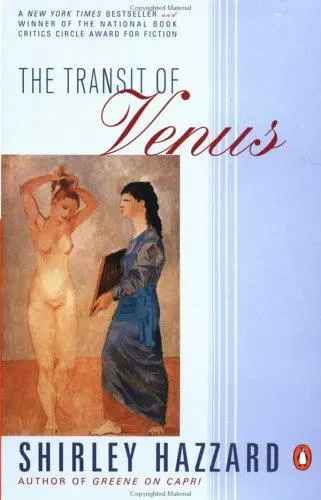
Hazzard’s novel follows two orphaned Australian sisters arriving in postwar England, but its deepest subject is the hidden moral pattern created by love, renunciation, accident, and unequal freedom. A reader moved by Eliot’s sense that character and circumstance slowly weave an inescapable design will recognize the power immediately.
Hazzard’s intelligence is compressed rather than expansive: sentences glitter, judgments arrive with surgical precision, and casual details acquire an almost prophetic weight. Yet beneath the elegance is fierce sympathy for women required to negotiate lives whose rules were written by others. Winner of the National Book Critics Circle Award, The Transit of Venus has inspired unusually devoted admiration because rereading reveals how exquisitely it was built. It delivers the rare combination Eliot mastered: social comedy, moral seriousness, passionate feeling, and the chill of inevitability.