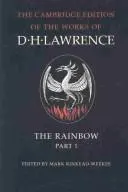
Books like The Rainbow
At Marsh Farm, the Brangwen men lean into the warm pulse of the fields while the women look beyond them toward a larger, half-imagined life.
If you liked The Rainbow, you’ll love these
Not lookalikes — kindred books. Each one shares something essential with The Rainbow, and we tell you exactly what.
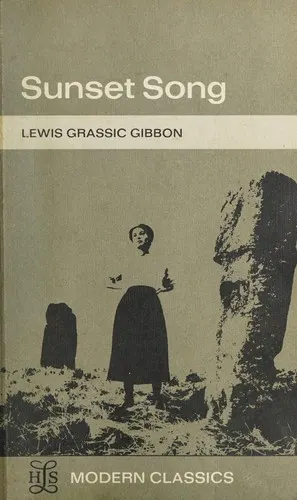
Chris Guthrie shares Ursula Brangwen’s divided hunger: she belongs sensuously to the land yet longs for education, freedom, and a self not prescribed by family or community. Gibbon makes that conflict audible in his Scots-inflected prose, which can move from village gossip to lyrical inwardness in a breath.
Like Lawrence, he treats modernization as something that alters bodies, speech, desire, and memory—not merely the scenery. Often regarded as a defining Scottish novel, Sunset Song has the elemental force of tragedy and the intimacy of a young woman thinking herself into existence.
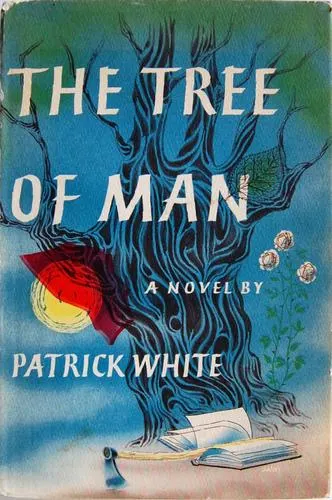
A man begins clearing a farm from the Australian wilderness; from that simple beginning, Patrick White creates an immense, searching portrait of marriage and ordinary life. Stan and Amy Parker are rendered through physical labor, sexual estrangement, private visions, resentment, tenderness, and the mysterious persistence of attachment.
White’s prose, by turns biblical, earthy, grotesque, and ecstatic, gives weather and landscape the same psychological intensity Lawrence gives them. This was the novel that established the future Nobel laureate internationally, and it remains one of the rare books capable of making an uncelebrated life feel inexhaustibly significant.
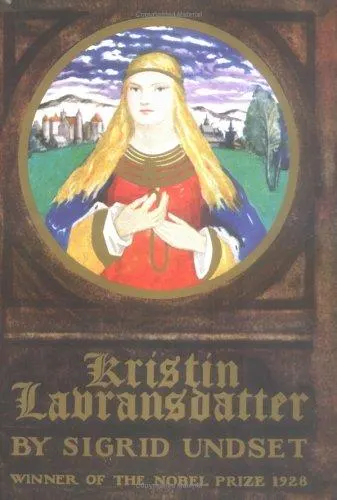
Undset’s masterpiece offers the moral and emotional amplitude that makes The Rainbow so consuming. Kristin is not reduced to a symbol of rebellion or romantic passion: her desires contend with loyalty, pride, faith, family inheritance, and an extraordinarily vivid awareness of bodily life.
The medieval world is rendered not as pageantry but as a dense fabric of work, kinship, law, appetite, and conscience. Undset received the Nobel Prize after creating this monumental work, yet its authority never feels institutional; it comes from how fiercely real Kristin becomes. In Tiina Nunnally’s translation especially, this is an absorbing encounter with a woman whose inner life seems larger than history.