
Books like Lady Chatterley's Lover
Rain-dark woods, warm skin, and the stubborn hope that desire can restore a life numbed by money, machinery, and convention run through these three novels.
If you liked Lady Chatterley's Lover, you’ll love these
Not lookalikes — kindred books. Each one shares something essential with Lady Chatterley's Lover, and we tell you exactly what.
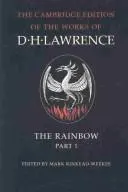
If Lady Chatterley’s Lover felt less like a love story than a revolt against deadened living, this is Lawrence’s grander, wilder statement of the same faith. Across generations of one family, he sets instinct, marriage, work, religion, and modernity against the human hunger for a fully awakened life.
The prose has Lawrence’s unmistakable weather: bodies and landscapes seem charged by the same current. Suppressed as obscene on publication, The Rainbow has endured as one of his major achievements. It gives you not a repetition of Lady Chatterley, but the vast emotional and philosophical world from which that novel grew.
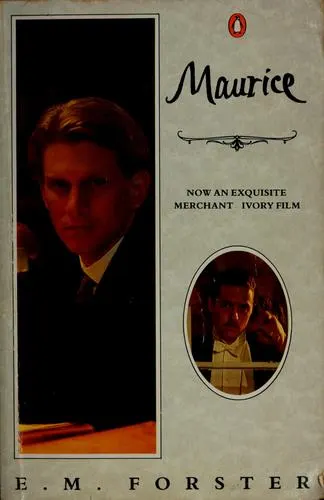
Forster shares Lawrence’s conviction that society can make people strangers to their own bodies. Maurice begins amid embarrassment, euphemism, and rigid English respectability, then quietly asks whether honest desire might matter more than education, status, or approval.
Where Lawrence is volcanic, Forster is lucid and tender; his rebellion steals up on you. Written in an era that made publication impossible and dedicated “To a Happier Year,” the novel appeared posthumously and became a landmark of gay literature. Its defiance of class and sexual repression—and its belief in a freer life beyond the drawing room—make it an indispensable companion to Lady Chatterley.

Winterson takes Lawrence’s belief that the body possesses its own intelligence and turns it into dazzling verbal music. An unnamed, ungendered narrator addresses a beloved with wit, hunger, jealousy, and near-religious attention, making anatomy itself into a language of intimacy.
This is less pastoral than Lady Chatterley and more distilled: erotic love stripped of social labels, examined down to nerve and bone. One of Winterson’s signature novels, it has inspired devoted readers because its sentences make desire feel at once physical and metaphysical. Anyone moved by Lawrence’s attempt to rescue sex from shame should experience what Winterson does with that inheritance.