Author
Books like Christa Wolf
6 books we recommend to Christa Wolf readers, drawn from Cassandra and The Quest for Christa T. — each with the reason why.
If you loved Cassandra
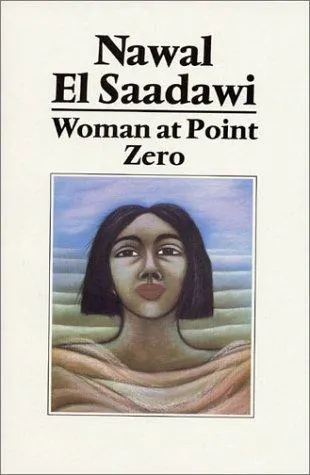
Firdaus speaks from prison on the eve of her execution, refusing both consolation and rescue. Like Cassandra, she gains a terrible authority from having nothing left to bargain with: her life story becomes an indictment of the social order that condemned her.
El Saadawi’s spare, furious novel turns one woman’s testimony into a map of power—sexual, economic, religious—without reducing her to a symbol. Firdaus is proud, difficult and piercingly lucid. Now a modern feminist classic, the book offers the same bracing experience as Cassandra: listening to a silenced woman seize control of meaning before others can rewrite her.
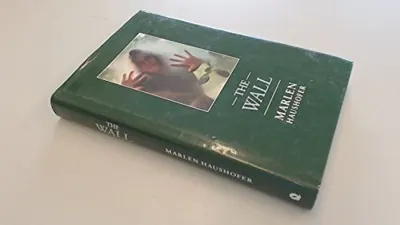
An unnamed woman wakes in an Alpine hunting lodge to find herself cut off from the world by an invisible barrier. She begins recording the practical facts of survival: food, weather, tools, animals, work. Yet beneath that calm exactness, an entire civilization is being judged.
Haushofer shares Wolf’s gift for making a solitary female consciousness feel historically immense. The narrator’s patient attention exposes the violence and vanity concealed inside supposedly normal life, while her relationships with animals create a moving alternative to domination. Long underappreciated, this 1963 Austrian novel has become a fiercely cherished feminist classic. Its quietness is deceptive; few books leave such a lasting sense that the world could have been organized otherwise.
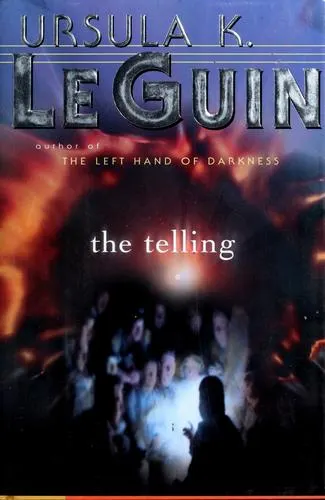
On the planet Aka, official modernity has erased old books, rituals and stories. Sutty, an observer from Earth, travels beyond the approved culture and discovers that truth survives not as doctrine but in fragments—in bodies, memories, jokes, gestures and the people willing to keep telling.
That conflict will feel intimately familiar to a reader of Cassandra. Both novels ask who controls the past, why militarized states fear unofficial knowledge, and how a woman can bear witness without turning her own account into another rigid creed. Le Guin’s Locus Award-winning final Hainish novel is wise, sensuous and politically subtle: not merely a defense of lost traditions, but a profound inquiry into how human beings preserve meaning after power has falsified it.
If you loved The Quest for Christa T.
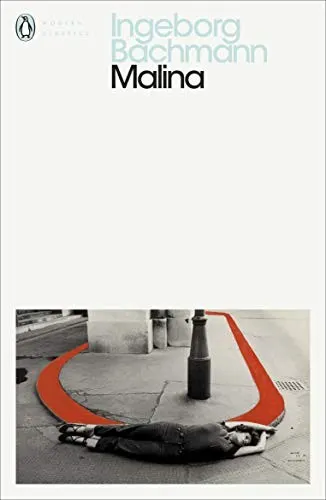
Bachmann’s modernist landmark offers the closest match to Wolf’s fierce concern with whether a woman can preserve an autonomous self inside the languages imposed on her. Its unnamed narrator moves among Malina, Ivan, memory, fantasy, and dread; identity seems to fracture even as she tries to speak it into being.
Like Wolf, Bachmann makes form carry the argument. Abrupt dialogues, fairy-tale passages, letters, and disquieting dream sequences reveal what orderly realism would conceal. The result is more feverish than The Quest for Christa T., but equally uncompromising about the hidden violence of ordinary social expectations. A foundational work of postwar feminist literature, Malina is not merely a novel to understand; it is one readers find themselves haunted by.
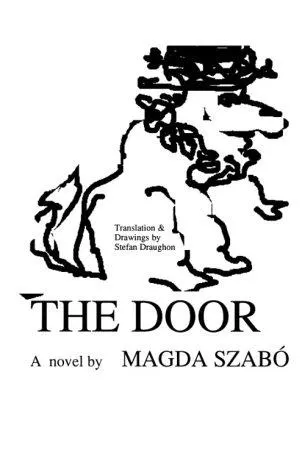
From its opening confession, The Door is an act of belated reckoning. A writer looks back on her relationship with Emerence, the formidable housekeeper who admitted almost no one into her private life. What develops is not a tidy portrait but a struggle between love and possession, care and intrusion, testimony and betrayal.
A reader devoted to Christa T. will recognize Szabó’s refusal to reduce an elusive woman to a symbol. Emerence’s habits, prohibitions, physical labor, and guarded loyalties make her magnificently particular; every attempt to explain her risks becoming another trespass. Len Rix’s translation helped make this Hungarian classic an international favorite, and its moral pressure is extraordinary: by the end, the narrator’s guilt feels inseparable from our own desire to know what another person has chosen to hide.
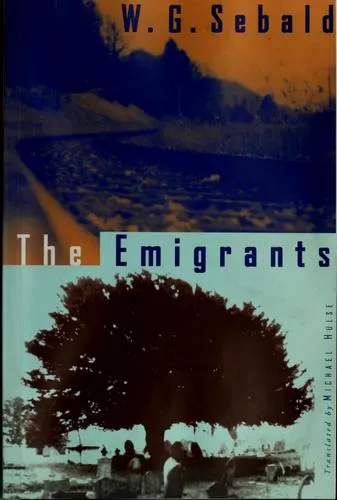
Sebald’s international breakthrough approaches four lives through encounters, journeys, photographs, anecdotes, and long-delayed recollections. Its documentary materials appear to promise certainty, yet each fragment exposes another absence. The dead can be traced, but never recovered whole.
That makes The Emigrants a profound companion to Wolf’s novel. Both books understand remembrance as an ethical act shadowed by failure: the narrator must arrange another person’s life while resisting the consoling lie that arrangement equals understanding. Sebald’s calm, winding prose accumulates an almost unbearable emotional force without sentimentality. Few novels make memory’s gaps feel so tangible—or leave the reader so convinced that attending to those gaps is one of literature’s highest obligations.