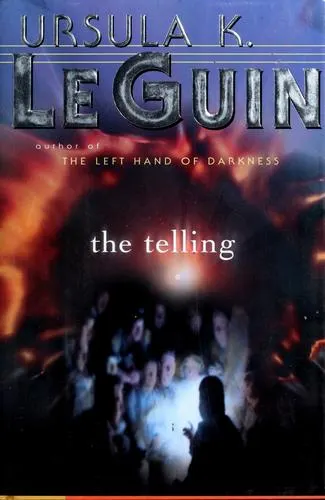
Books like The Telling
In a Vancouver library, Sutty bends over the script of a distant world while violence gathers outside. These novels likewise treat stories and knowledge as living practices—fragile, transformative, and worth protecting.
If you liked The Telling, you’ll love these
Not lookalikes — kindred books. Each one shares something essential with The Telling, and we tell you exactly what.
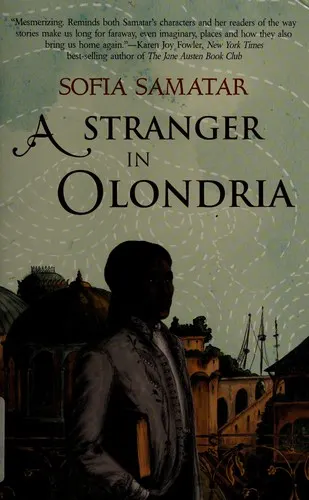
Jevick grows up captivated by a country he knows through its language and books, and Samatar makes that longing almost tactile: writing carries the allure of spice, ceremony, travel, and forbidden intimacy. Yet the novel never assumes literacy is superior to oral tradition. Like Le Guin, Samatar asks what kinds of experience official forms of knowledge preserve—and what they silence.
This World Fantasy Award-winning debut has become beloved for prose at once lush and exact. Its cultures feel inhabited rather than diagrammed, and its deepest revelations arrive through listening. Anyone who treasured The Telling’s patient discovery of a civilization’s inner life should not miss it.
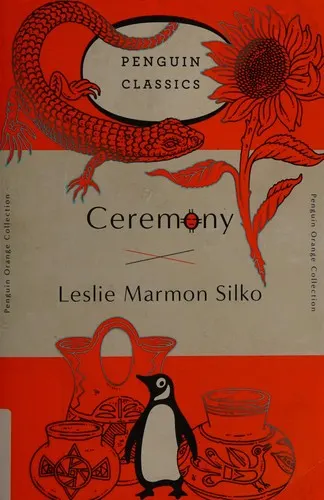
Silko begins with Tayo, a Laguna Pueblo veteran returning from war to a drought-stricken home, unable to separate private suffering from the damage done to his community and land. Prose, poetry, memory, and traditional narratives flow into one another because the stories here are not artifacts: they are ceremonies that must remain responsive to the present if they are to heal.
That is the profound kinship with The Telling. Both novels reject the idea that tradition means static doctrine; both understand survival as the creative continuation of relationship. Since 1977, Ceremony has become a touchstone of Native American literature, but its stature can obscure how immediate and moving it is. Reading it changes what the word “story” can mean.
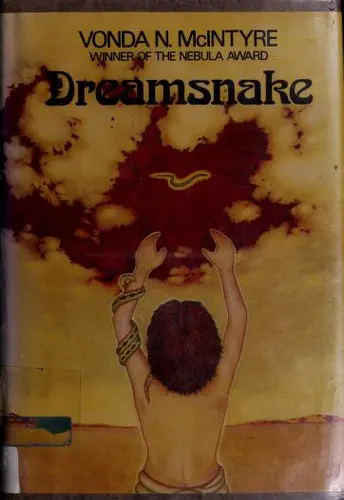
At the opening, a healer called Snake tends a desperately ill child while the child’s frightened family watches her strange healing creatures with suspicion. McIntyre builds the novel’s moral world from that encounter: expertise requires humility, trust must cross cultural boundaries, and precious knowledge can be destroyed by fear.
Snake’s heroism lies not in mastery but in attention. As she travels, every community has its own assumptions, and McIntyre lets those differences emerge through behavior rather than exposition—the same humane, observant intelligence that makes Sutty such a compelling protagonist. Winner of the Hugo, Nebula, and Locus awards, Dreamsnake remains one of science fiction’s finest novels of healing and non-coercive courage.