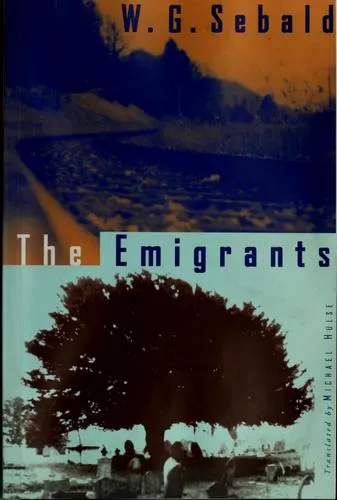
Books like The Emigrants
Afterimages. Sebald’s people remain present as traces—in photographs, places, stray recollections and sentences that circle what cannot be recovered. These three novels share that faith in fragments while turning it toward sharply different forms.
If you liked The Emigrants, you’ll love these
Not lookalikes — kindred books. Each one shares something essential with The Emigrants, and we tell you exactly what.
An exiled writer assembles Berlin, vanished Yugoslavia, family photographs and apparently incidental objects into a cabinet of displaced lives. Ugrešić’s fragments can be comic, essayistic or piercingly intimate; like Sebald’s images, they seem to document the past while exposing how little any document can secure.
Now regarded as one of Ugrešić’s defining books, this is exile literature without tidy nostalgia. Its wit gives the melancholy a sharper edge, and its discontinuities gradually disclose an emotional architecture. If you loved how The Emigrants turns remnants into presences, Ugrešić’s strange, inexhaustible museum is essential.
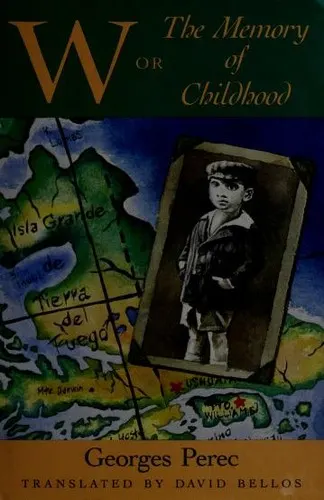
Perec alternates uncertain autobiographical memories with an adventure narrative begun in childhood. One strand is full of qualifications, blanks and corrections; the other follows the seemingly lucid logic of an imagined island devoted to sport. The accumulating tension between them makes absence itself eloquent.
A landmark of experimental autobiographical fiction, W possesses none of the chill that description can make it sound as though it has. Perec’s formal ingenuity is inseparable from bereavement: he tests invention because memory has failed, and tests memory because invention may conceal as much as it reveals. Few books come closer to Sebald’s understanding that historical catastrophe survives most powerfully in gaps, evasions and damaged particulars.
A sportswriter arrives in an English city and finds every street summoning his dead friend Tony. Johnson printed the novel in twenty-seven unbound sections—only the first and last are fixed—so the middle can be read in changing order. The device is not a stunt: it gives memory its actual behavior, abrupt and recursive, with jokes, professional trivia and grief continually interrupting one another.
First published in 1969 and preserved as a cult masterpiece of British experimental fiction, The Unfortunates has inspired fierce devotion because its radical form feels so human. Sebald readers will recognize the wandering mind, the pressure of the dead upon ordinary landscapes and the refusal to manufacture consolation. Reading it feels less like hearing a story than temporarily inheriting another person’s memories.