Author
Books like Andrea Levy
6 books we recommend to Andrea Levy readers, drawn from The Long Song and Small Island — each with the reason why.
If you loved The Long Song
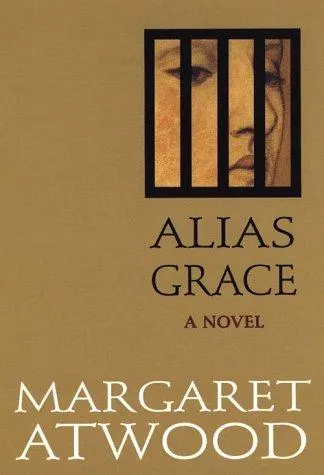
Grace Marks, imprisoned for murder in nineteenth-century Canada, recounts her life to a doctor convinced he can uncover what really happened. Like July, Grace understands that narration is power: she offers vivid detail, changes emphasis, notices her listener’s desires and keeps part of herself beyond his reach.
Atwood’s sly wit, documentary fragments and recurring quilt patterns make history feel simultaneously tangible and unknowable. Winner of Canada’s Giller Prize and shortlisted for the Booker, Alias Grace has become one of Atwood’s most admired novels because it turns uncertainty into a source of suspense. Anyone captivated by July’s contest with her son—and with the reader—should find Grace impossible to leave behind.
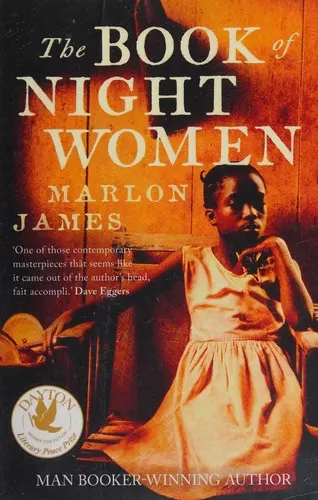
Marlon James writes plantation Jamaica with a ferocity very different from Levy’s poised comedy, yet the novels share a crucial refusal: neither will make enslaved women decorous, passive or easily admirable. Lilith is angry, proud, impulsive and startlingly alive, while the women around her form a world of rivalries, loyalties, knowledge and hard-won authority.
The creole-inflected prose has extraordinary physical force; it does not merely describe a voice reclaimed from the archive but makes that voice govern the novel. Often regarded as James’s breakthrough before his Booker-winning A Brief History of Seven Killings, The Book of Night Women is harrowing, mordantly funny and morally uncompromising. It supplies the dangerous heat beneath The Long Song’s cool narrative smile.
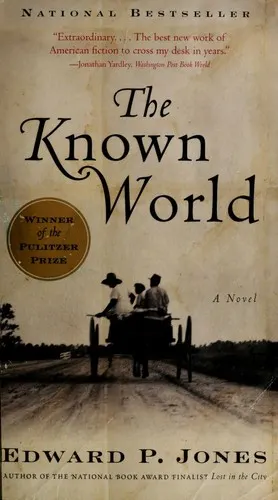
The opening fact—that Henry Townsend, a formerly enslaved Black man, has himself become an enslaver—immediately unsettles every comfortable moral category. Edward P. Jones then expands outward through an entire Virginia community, moving among people with radically different amounts of power while granting each a densely particular life.
What connects it to The Long Song is its understanding that historical fiction must restore contradiction, accident and private longing, not simply illustrate a verdict already reached. Jones’s narrator moves serenely backward and forward in time, sometimes disclosing in a sentence what decades will bring; the effect is both intimate and godlike. Winner of both the Pulitzer Prize and the International Dublin Literary Award, The Known World is one of the indispensable American novels about slavery—and one whose imaginative abundance makes the past feel permanently unfinished.
If you loved Small Island
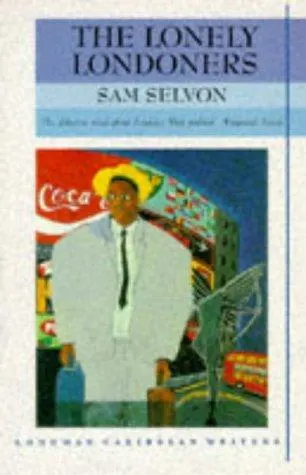
Selvon’s classic follows Caribbean newcomers trying to make lives in a London that needs their labour while withholding its welcome. Its deepest kinship with Small Island lies not in the Windrush-era setting but in its balance of injury and irrepressible comedy: friendship, flirtation, bravado and loneliness coexist without cancelling one another.
The novel’s great achievement is its voice—a supple, creolized narration that transformed what English fiction could sound like and influenced generations of British writers. Short, exuberant and deceptively artful, it gives migrants the freedom to be funny, selfish, hopeful and gloriously alive rather than merely representative.
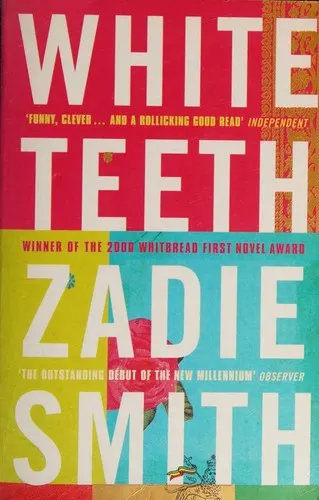
If you loved the way Levy uses several sharply distinct perspectives to dismantle any simple idea of Britishness, White Teeth is essential. Smith builds her teeming novel around two families whose friendships, marriages and private obsessions carry the unruly legacies of empire into late-twentieth-century London.
Where Small Island is poised and bittersweet, White Teeth is faster, louder and more extravagant. Yet both understand that history survives in family arguments, embarrassed children, compromised loyalties and jokes people tell to protect themselves. Smith’s Whitbread-winning debut arrived with astonishing assurance; its warmth, intelligence and comic momentum explain why it quickly became a modern British touchstone.
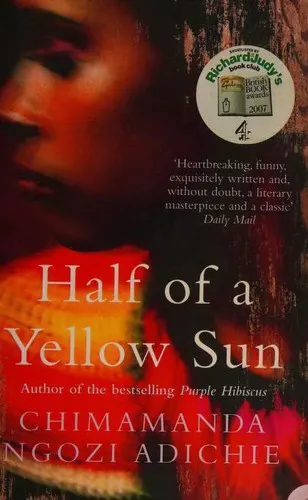
Adichie shares Levy’s rare ability to make history intimate without making it small. Set around the Nigerian-Biafran conflict, the novel moves among characters divided by class, education, desire and political conviction. Their differing accounts continually revise one another, just as Levy’s narrators expose the limits—and the hidden wounds—within every version of events.
This is the most emotionally sweeping of the three recommendations. Adichie renders domestic routines, romantic betrayals and intellectual arguments with such immediacy that the gathering catastrophe never feels like a history lesson imposed upon the characters; it feels like the world changing beneath people you know. Winner of the Orange Prize and now widely regarded as a landmark novel, it has the moral complexity and lasting emotional force that make Small Island unforgettable.