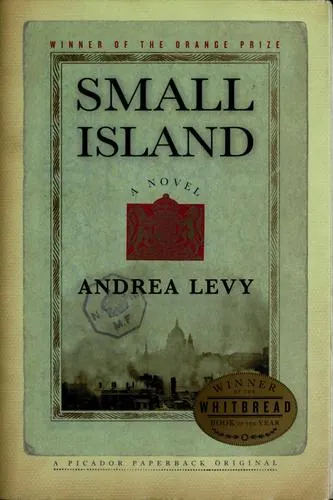
Books like Small Island
Belonging. Andrea Levy makes national history feel personal: it enters bedrooms, marriages, jokes, humiliations and competing memories. These three novels share that gift for revealing large historical forces through vivid, imperfect people.
If you liked Small Island, you’ll love these
Not lookalikes — kindred books. Each one shares something essential with Small Island, and we tell you exactly what.

Selvon’s classic follows Caribbean newcomers trying to make lives in a London that needs their labour while withholding its welcome. Its deepest kinship with Small Island lies not in the Windrush-era setting but in its balance of injury and irrepressible comedy: friendship, flirtation, bravado and loneliness coexist without cancelling one another.
The novel’s great achievement is its voice—a supple, creolized narration that transformed what English fiction could sound like and influenced generations of British writers. Short, exuberant and deceptively artful, it gives migrants the freedom to be funny, selfish, hopeful and gloriously alive rather than merely representative.
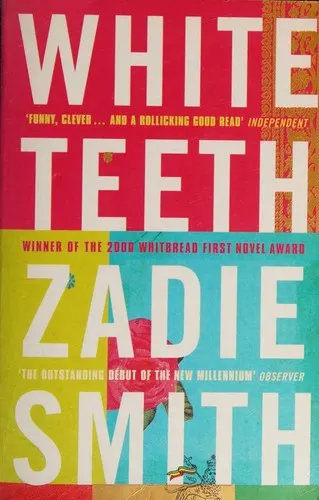
If you loved the way Levy uses several sharply distinct perspectives to dismantle any simple idea of Britishness, White Teeth is essential. Smith builds her teeming novel around two families whose friendships, marriages and private obsessions carry the unruly legacies of empire into late-twentieth-century London.
Where Small Island is poised and bittersweet, White Teeth is faster, louder and more extravagant. Yet both understand that history survives in family arguments, embarrassed children, compromised loyalties and jokes people tell to protect themselves. Smith’s Whitbread-winning debut arrived with astonishing assurance; its warmth, intelligence and comic momentum explain why it quickly became a modern British touchstone.
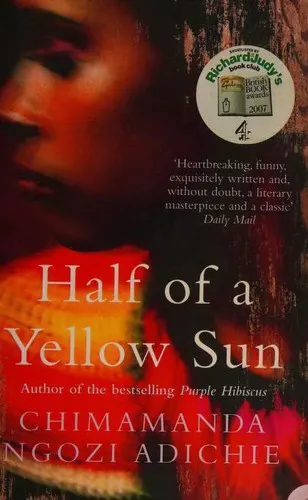
Adichie shares Levy’s rare ability to make history intimate without making it small. Set around the Nigerian-Biafran conflict, the novel moves among characters divided by class, education, desire and political conviction. Their differing accounts continually revise one another, just as Levy’s narrators expose the limits—and the hidden wounds—within every version of events.
This is the most emotionally sweeping of the three recommendations. Adichie renders domestic routines, romantic betrayals and intellectual arguments with such immediacy that the gathering catastrophe never feels like a history lesson imposed upon the characters; it feels like the world changing beneath people you know. Winner of the Orange Prize and now widely regarded as a landmark novel, it has the moral complexity and lasting emotional force that make Small Island unforgettable.