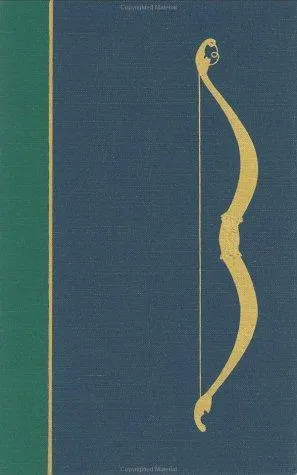
Books like Ulysses
Aftershocks. Joyce proved that a novel could be city, joke, encyclopedia, music, and intimate consciousness at once; these three books carry different parts of that liberation forward.
If you liked Ulysses, you’ll love these
Not lookalikes — kindred books. Each one shares something essential with Ulysses, and we tell you exactly what.
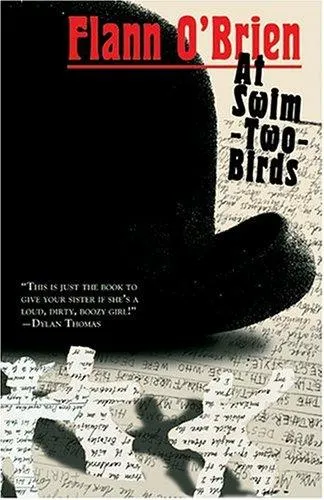
Begin here for the irreverence. O’Brien’s student narrator is writing a novel whose characters rebel against their own author, while Irish legend, cowboy fiction, pub talk, mock scholarship, and atrocious verse jostle for control. Like Ulysses, it treats literary tradition not as a monument but as material for parody, argument, and play.
Its structural tricks would mean little without O’Brien’s superb comic ear: pompous formulas collide with slang, and every voice exposes its speaker. Neglected on publication in 1939, it became a fiercely loved cult masterpiece, championed by writers including Graham Greene and Anthony Burgess. Anyone delighted by Joyce’s ability to make erudition hilarious should not miss the other great comic explosion of Irish modernism.
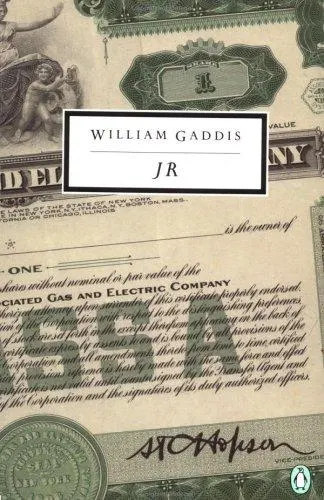
If Ulysses taught you to hear a civilization through its noise, J R is the American capitalist babel you want next. Gaddis builds the novel largely from overlapping, frequently unattributed speech: telephone calls, classroom chatter, executive evasions, sales pitches, domestic quarrels. An eleven-year-old schoolboy begins assembling a financial empire, and language itself becomes the machinery—people interrupt, mishear, bluff, and keep talking because silence might expose them.
The apparent chaos is composed with astonishing precision. Running jokes and verbal fragments recur hundreds of pages later; comedy gathers into fury and, unexpectedly, tenderness. Winner of the 1976 National Book Award, J R inspires the kind of devoted rereading Ulysses does. It is difficult in the rewarding sense: once your ear adjusts, you discover that Gaddis has made the whole system audible.
Perec offers the encyclopedic pleasure of Ulysses in a radically different architecture. He removes the façade from a Paris apartment building and moves through its rooms according to an elaborate chess-based pattern, uncovering unfinished projects, eccentric collections, private obsessions, jokes, puzzles, and miniature histories. An inventory of objects may suddenly open into an adventure story or a quietly devastating life.
The constraints never feel like sterile cleverness; they create inexhaustible abundance. Perec shares Joyce’s conviction that ordinary things—menus, furniture, advertisements, names—can bear immense imaginative weight, and that comedy and grief belong in the same sentence. Awarded the Prix Médicis and widely regarded as Perec’s masterpiece, this is a novel readers spend years exploring. To skip it is to miss one of the few books that genuinely rivals Ulysses as a world built from words.