Books like The Ship
Steel decks, exhausted crews, split-second calculations: these novels preserve the exhilaration of seeing a warship become a single, vulnerable organism under pressure, while never forgetting the individual lives inside it.
If you liked The Ship, you’ll love these
Not lookalikes — kindred books. Each one shares something essential with The Ship, and we tell you exactly what.
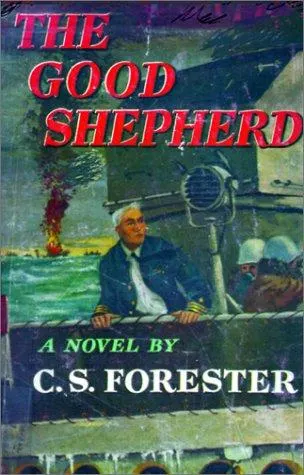
Forester narrows the lens even further here, placing the reader beside a destroyer captain shepherding an Atlantic convoy through waters stalked by U-boats. Orders, bearings, fuel, weather and fragmentary signals accumulate until tactical judgment feels almost physical.
What links it most deeply to The Ship is Forester’s fascination with collective survival directed by one overburdened mind. The captain must absorb countless small reports, distinguish danger from noise and project certainty while fatigue steadily degrades him. The result is both an exceptionally lucid account of naval command and a moving portrait of private doubt hidden beneath professional competence. If The Ship made procedure thrilling, The Good Shepherd is Forester’s purest distillation of that gift.
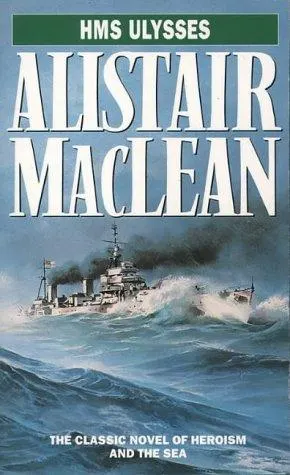
MacLean’s celebrated debut begins with a crew already driven beyond reasonable endurance and then sends its cruiser on a brutal Arctic convoy mission. The cold is not scenery but an adversary: metal burns the skin, ice burdens the ship and every duty costs men strength they no longer possess.
Like Forester, MacLean understands that heroism aboard a warship is distributed among specialists doing precise jobs while shells, weather and exhaustion dismantle the conditions that make precision possible. But his emotional register is fiercer and more tragic; the crew’s loyalty to one another gives the novel its tremendous momentum. HMS Ulysses became a defining Second World War sea novel because its ordeal feels at once technically convincing and almost mythic. Missing it would mean missing one of the genre’s great acts of collective courage.
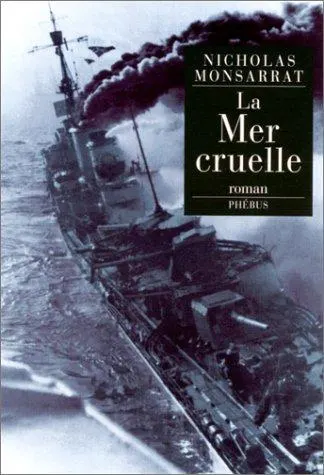
Where The Ship compresses naval war into a fiercely concentrated engagement, The Cruel Sea reveals what the same discipline and vulnerability become when stretched across years. It follows inexperienced sailors entering Atlantic convoy service, learning their ship, their officers and the terrible arithmetic of protecting merchant vessels from unseen attackers.
Monsarrat served in corvettes during the war, and his authority appears less in displays of terminology than in exact human observation: seasickness, monotony, imperfect decisions, strained tempers and the peculiar intimacy of people repeatedly endangered together. The novel’s enduring reputation rests on its refusal to sentimentalize either courage or command. Its famous emotional severity is earned patiently, through attachment to ordinary professionals. A reader who loved The Ship’s many-personed portrait of duty will find this broader, deeper chronicle indispensable.