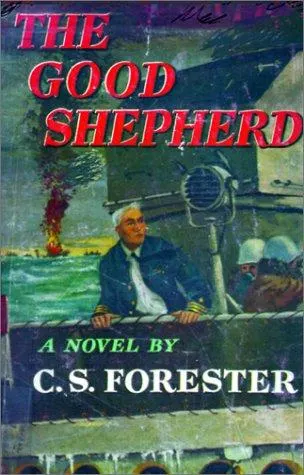
Books like The Good Shepherd
The real enemy in The Good Shepherd is not any single U-boat but the accumulation of cold, exhaustion, incomplete information, and decisions that cannot be postponed—a burden Forester makes almost physically palpable.
If you liked The Good Shepherd, you’ll love these
Not lookalikes — kindred books. Each one shares something essential with The Good Shepherd, and we tell you exactly what.
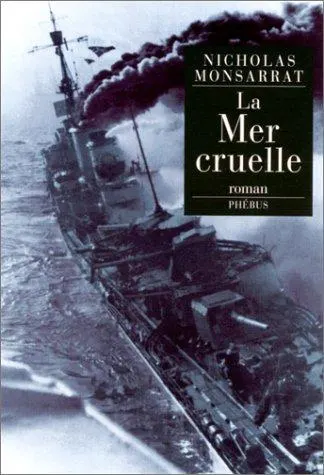
Monsarrat gives the Atlantic convoy war a broader, more intimate canvas without sacrificing the operational exactness Forester readers prize. His corvettes are cramped, wet, vulnerable machines, and their crews learn that endurance consists largely of doing ordinary tasks correctly while frightened, seasick, and bereaved.
Where The Good Shepherd concentrates on one commander’s burden, The Cruel Sea follows how that burden spreads through an entire ship. Monsarrat served on Atlantic escorts, and the novel’s authority is inseparable from its compassion: celebrated since its 1951 publication as a defining naval novel of the Second World War, it understands both professional competence and its terrible cost. If Forester made you feel every hour of Krause’s watch, Monsarrat will make you remember the men who stood theirs.

Bomber transposes Forester’s fascination with coordinated action under pressure to a single RAF operation. Planning rooms, aircraft, radar stations, maintenance crews, and civilians become parts of one immense mechanism, while small errors and uncertain reports gather consequences no participant can fully see.
Its kinship with The Good Shepherd lies in that merciless tension between the commander’s map and lived reality. Deighton writes procedure with documentary clarity, yet every technical detail carries human weight. Long regarded as one of his major achievements, Bomber is not merely suspenseful; it is an anatomy of modern warfare, showing how disciplined people make irreversible choices inside systems too large for anyone to master. Few novels make competence feel so necessary—or so tragically insufficient.
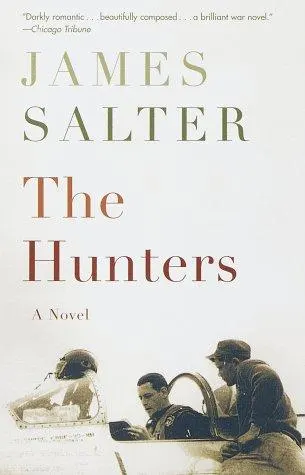
James Salter’s first novel follows an American fighter pilot in Korea whose self-command is tested by waiting, rivalry, reputation, and the need to prove himself in combat. Salter had flown fighter missions himself, and his aerial scenes possess the clean precision of firsthand knowledge; what makes the book exceptional, however, is its understanding of the loneliness beneath military authority.
A reader drawn to Krause’s private doubts will recognize Salter’s unsentimental attention to the gap between outward discipline and inward fear. The prose is leaner and more luminous than Forester’s, but equally alert to instruments, split-second judgment, and the moral danger of ambition. The Hunters established the concerns that would make Salter a writers’ writer of enduring reputation: mastery, failure, desire, and the unforgiving standards by which capable men measure themselves.