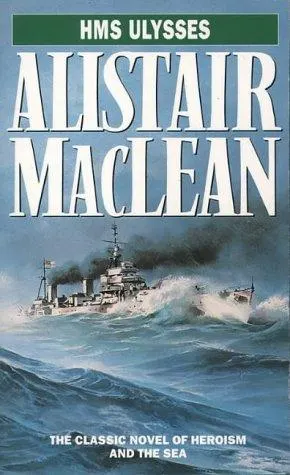
Books like HMS Ulysses
Reading HMS Ulysses is like standing an exhausted watch in freezing spray: steel, flesh and discipline are all being tested past their limits, while courage appears not as glory but as the refusal to abandon one’s duty or shipmates.
If you liked HMS Ulysses, you’ll love these
Not lookalikes — kindred books. Each one shares something essential with HMS Ulysses, and we tell you exactly what.
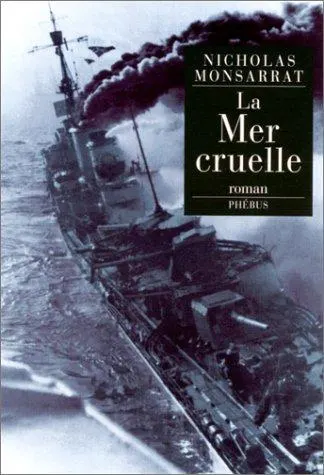
The essential next book. Monsarrat, himself a wartime escort officer, gives the Battle of the Atlantic the same salt-stung authenticity and moral gravity MacLean brings to the Arctic convoys. His sailors begin aboard the corvette Compass Rose with little idea how completely the sea, fatigue and responsibility will consume their lives.
What binds the novels is their understanding that endurance is both heroic and damaging. Technical detail never becomes decoration: watches, signals, engines and convoy formations determine who can be saved and what a commander must live with afterward. A major bestseller on publication and now a classic of naval fiction, The Cruel Sea earns its reputation through compassion rather than pageantry. If HMS Ulysses left you mourning a whole ship’s company rather than merely following an adventure, this is indispensable.
Forester compresses a naval action into a short, fiercely concentrated novel about HMS Artemis escorting a convoy to Malta. Instead of treating battle as the achievement of a few conspicuous heroes, he moves through the cruiser to show how stokers, gunners, signalmen, engineers and officers become one fighting organism.
That collective vision is the book’s special kinship with HMS Ulysses. A shell fired correctly depends upon dozens of obscure acts performed under pressure; machinery matters because human lives and choices run through it. Forester’s lucid tactical intelligence makes every movement comprehensible, while his attention to ordinary competence gives the action unusual emotional force. It is one of his leanest and most accomplished novels—and a reader who admires how MacLean turns a warship into a living community should not overlook it.
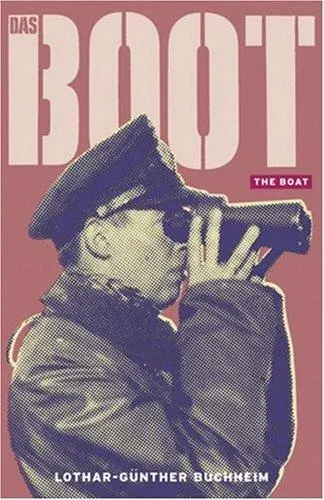
For the bodily ordeal of HMS Ulysses—the sleeplessness, foul air, noise, fear and gradual stripping-away of civilized comfort—read Das Boot. A German war correspondent’s experience aboard a U-boat gave Buchheim an almost oppressive command of physical detail. From the patrol’s outset, the submarine feels less like a vehicle than a sealed environment whose machinery, odors and cramped routines invade every thought.
The perspective changes, but the anti-romantic honesty does not. Buchheim is fascinated by professionalism and comradeship while remaining bitterly alert to vanity, propaganda and incompetent command. The internationally influential novel became famous through its film adaptation, yet the book is more intimate, abrasive and psychologically exhaustive. Few novels make prolonged wartime endurance feel so immediate; after MacLean’s ice and open sea, Buchheim’s submerged pressure is an experience you should not miss.