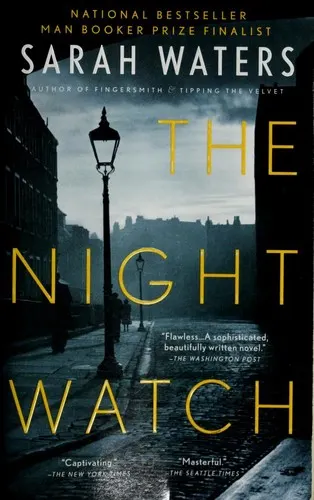
Books like The Night Watch
Readers return to The Night Watch because its backward movement turns every glance, silence, and compromise newly painful: the characters seem more knowable even as their secrets deepen.
If you liked The Night Watch, you’ll love these
Not lookalikes — kindred books. Each one shares something essential with The Night Watch, and we tell you exactly what.

A wounded young naval officer recuperates in wartime Britain while trying to understand what kind of love—and what kind of man—he can honorably choose. Renault writes queer desire with the same charged restraint Waters gives it: an ordinary conversation can carry the danger and intensity of a declaration.
Published in 1953, the novel became an enduring queer classic not through melodrama but through its intelligence about secrecy, loyalty, and self-deception. Its characters are permitted difficult moral choices rather than easy victimhood. If The Night Watch moved you by showing how tenderness survives inside concealment, The Charioteer is essential.

Levy’s four narrators arrive at a shared history from sharply different directions, each voice exposing the blind spots of the others. Like Waters, she makes history intimate: war and empire enter bedrooms, rented rooms, marriages, and humiliating everyday encounters. The structure continually forces you to reconsider people you thought you understood.
Winner of both the Orange Prize and the Whitbread Book of the Year, Small Island has the sweep of a national story without sacrificing the prickly individuality of its characters. It is funnier and more outwardly exuberant than The Night Watch, but equally alert to thwarted desire, compromised kindness, and the lives omitted from official memory.
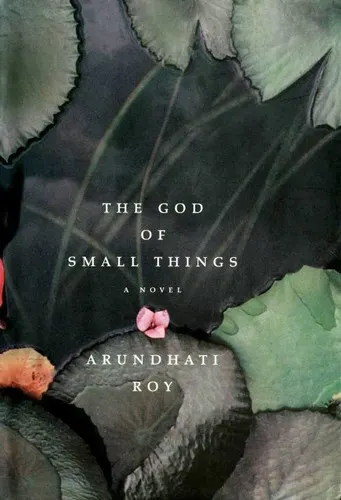
Roy announces a family catastrophe almost immediately, then circles through time to reveal how it acquired its terrible force. That temporal design offers the deepest kinship with The Night Watch: knowledge does not dissolve mystery but changes the emotional meaning of every small gesture.
The prose is more lush and playful than Waters’s, yet both novelists understand that private desire collides with social rules long before anyone openly names the conflict. Roy’s Booker-winning debut has inspired unusually fierce devotion because its language, images, and broken chronology remain alive in the mind for years. Few novels make rereading feel so much like discovering a second book concealed inside the first.