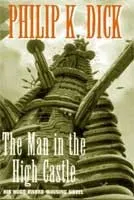
Books like The Man in the High Castle
—because what finally unsettles is not the altered history itself, but the suspicion that reality depends on fragile acts of belief, interpretation, and obedience. These three novels press hardest on that fault line.
If you liked The Man in the High Castle, you’ll love these
Not lookalikes — kindred books. Each one shares something essential with The Man in the High Castle, and we tell you exactly what.
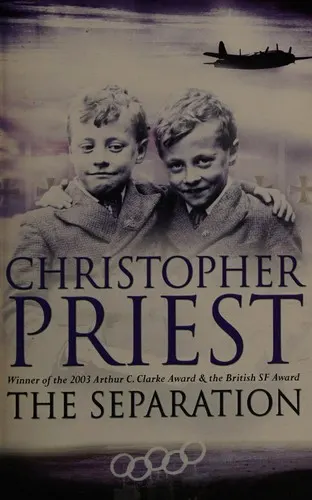
Priest turns history into a set of mutually incompatible testimonies. Twin brothers become entangled in the Second World War, while documents, memories, and identities refuse to settle into one authoritative account.
Like Dick, Priest makes the reader participate in uncertainty rather than merely observe it. The result is cool, melancholy, and quietly destabilizing: even apparently solid facts acquire the texture of forged antiques. Winner of both the BSFA and Sidewise awards, The Separation is one of alternate history’s most sophisticated novels—and perhaps the closest successor to Dick’s peculiar blend of political counterfactual and metaphysical vertigo.
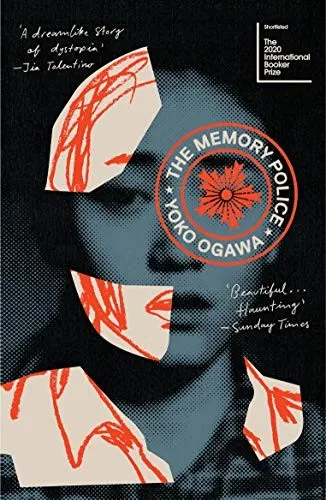
On an unnamed island, objects periodically disappear—and most inhabitants lose not only the things but their memories of them. A novelist, among the few who can still remember, hides her editor from the authorities charged with enforcing oblivion.
Ogawa shares Dick’s fascination with the secret life of objects: what makes a thing authentic, what meaning people invest in it, and what happens when power dictates reality. Yet her prose is hushed and exact, making repression feel intimate rather than spectacular. Shortlisted for the International Booker Prize, The Memory Police has become a modern classic of quiet dystopian fiction. Its accumulating absences are almost unbearably haunting.
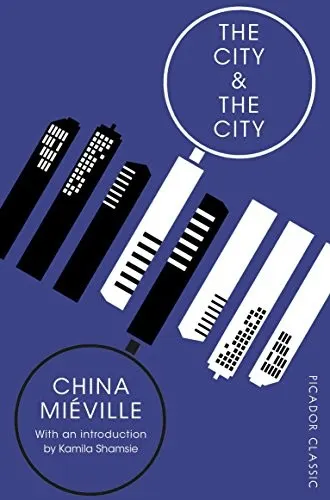
Inspector Tyador Borlú investigates a murder in two cities that occupy the same physical space. Their citizens have been trained to ignore—or “unsee”—one another, turning an absurd political arrangement into everyday reality.
That premise becomes more convincing, and more disturbing, with every page. Miéville understands, as Dick did, that oppressive worlds survive through ordinary habits of perception: people police their own minds before any authority needs to intervene. The detective story is taut, but the deeper pleasure lies in watching its impossible setting become psychologically inevitable. Winner of the Arthur C. Clarke and World Fantasy awards, The City & the City is an ingenious novel whose central idea permanently alters how many readers see borders, cities, and one another.