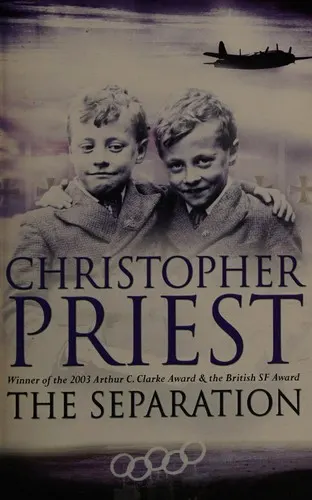
Books like The Separation
Begin in a nineteenth-century Scottish murder file. Christopher Priest’s deepest appeal lies not in wartime counterfactuals but in the unnerving moment when documents, memories, and plausible realities cease to agree; these three novels produce that same vertigo by very different means.
If you liked The Separation, you’ll love these
Not lookalikes — kindred books. Each one shares something essential with The Separation, and we tell you exactly what.
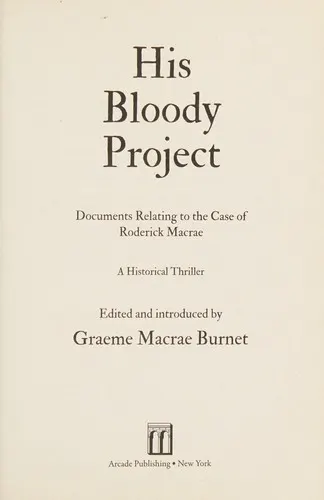
A young Highland crofter confesses to a brutal crime, but Burnet surrounds his account with witness statements, medical reports, and competing interpretations. Every document seems authoritative until another subtly alters its meaning.
Shortlisted for the Booker Prize, this is pseudo-history executed with extraordinary conviction. Like The Separation, it makes reading an act of judgment: facts are plentiful, yet truth keeps retreating behind personality, prejudice, and narrative form. Its tension comes not from discovering what happened, but from realizing how many incompatible things “what happened” can mean.
An elderly man wanders through his memories: childhood episodes, family stories, local scandals, embedded tales. The voice is calm and companionable, but tiny omissions and strange transitions gradually suggest that the book you are reading may not be the book you thought you began.
Peace is one of Wolfe’s most admired standalone novels and a touchstone for readers who love fiction that transforms on rereading. Its affinities with Priest are profound: divided identity, concealed architecture, and the eerie coexistence of mutually troubling explanations. Few novels reward attention so lavishly—or make overlooked details feel so dangerous.
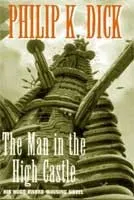
Its Axis-ruled America is not the real reason to read it after The Separation. The true kinship lies in Dick’s obsession with authenticity: counterfeit objects, compromised selves, chance decisions, and a forbidden novel describing another outcome to the war. Alternative history becomes a way of asking whether reality itself can feel fraudulent.
The Hugo-winning novel helped define the genre, yet it remains stranger and less settled than many of its descendants. Dick refuses the comfort of a neatly explained timeline; the ground shifts spiritually and psychologically as well as historically. If Priest’s unresolved realities stayed with you, this is an essential predecessor.