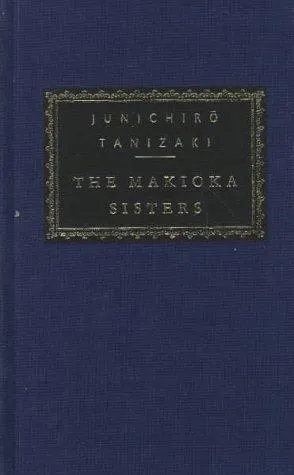
Books like The Makioka Sisters
In The Makioka Sisters, a marriage inquiry, a seasonal outing, or the choice of a kimono can carry the weight of an era ending.
If you liked The Makioka Sisters, you’ll love these
Not lookalikes — kindred books. Each one shares something essential with The Makioka Sisters, and we tell you exactly what.
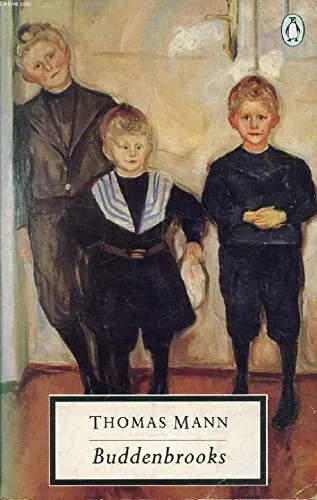
Mann likewise makes family decline palpable through dinners, houses, business courtesies, marriages, and tiny breaches of decorum. His prosperous Lübeck clan inhabits a world whose rules seem permanent even as every exquisitely observed gesture reveals their fragility.
The kinship lies especially in the tone: affectionate but unsparing, stately yet quietly comic. Published when Mann was only twenty-five, Buddenbrooks established his reputation and was singled out when he received the Nobel Prize. Anyone who loved Tanizaki’s ability to turn social ritual into cumulative heartbreak should not miss its great European counterpart.
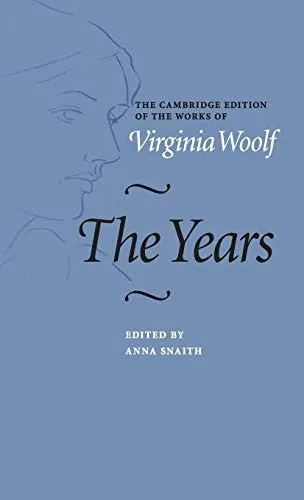
The Years captures time not through conventional dramatic peaks but through weather, rooms, recurring phrases, awkward visits, and family members glimpsed at revealing intervals. Moving across decades in the life of the Pargiters, Woolf lets history alter private existence almost imperceptibly—the same oblique pressure that makes the world beyond the Makioka household so haunting.
This is Woolf at her most spacious and socially observant. Her most commercially successful novel during her lifetime, it has the delicacy of her modernism without sacrificing the absorbing pleasures of a family chronicle. Its ellipses leave you feeling the vanished years as keenly as the scenes she gives you.
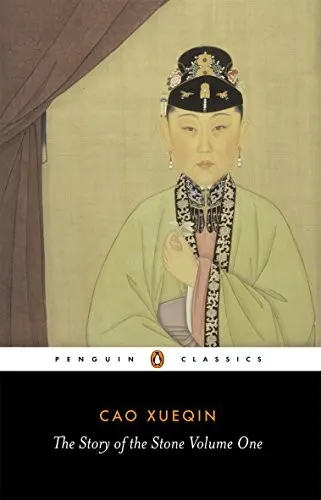
If what you loved was Tanizaki’s creation of an entire domestic civilization, Dream of the Red Chamber is indispensable. Within the wealthy Jia household, fabrics, gardens, poems, servants’ quarrels, family obligations, and courtship carry immense emotional force. Its women are drawn with extraordinary individuality, while beauty and ceremony are shadowed from the outset by impermanence.
The novel rewards the same patient attentiveness as The Makioka Sisters: distinctions that initially seem minute gradually become the substance of a whole social world. One of China’s Four Great Classical Novels, it has inspired an entire scholarly discipline, yet its greatness is intimate rather than monumental. Few books make everyday family life feel so abundant—or its passing so painful.