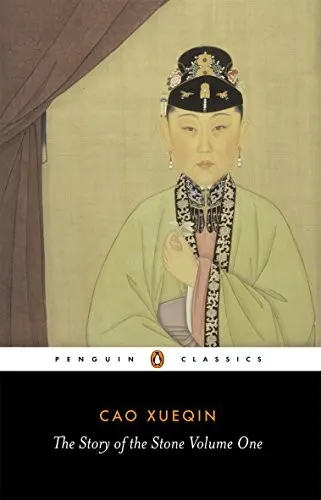
Books like Dream of the Red Chamber
How can a world overflowing with beauty, ceremony, appetite, and love carry the seeds of its own disappearance? These three novels turn that ache into entire inhabited worlds.
If you liked Dream of the Red Chamber, you’ll love these
Not lookalikes — kindred books. Each one shares something essential with Dream of the Red Chamber, and we tell you exactly what.
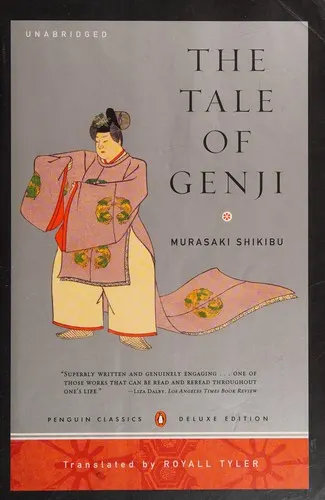
No novel comes closer to matching Cao Xueqin’s union of sensuous abundance and metaphysical sadness. Genji’s world is apprehended through incense, layered robes, calligraphy, music, seasonal flowers, and poems whose slightest alteration can expose a heart. As in Dream of the Red Chamber, social life is both exquisitely refined and quietly brutal, especially for women; a misplaced letter or delayed visit may matter more than a public event.
Frequently called the world’s first novel, Genji earns its stature through psychological delicacy rather than antiquity. Murasaki rarely declares what a character feels when a gesture, silence, or remembered verse can reveal it more painfully. Beneath every pleasure lies the Buddhist awareness that beauty is precious because it cannot last. Anyone who mourned the Grand View Garden as a paradise already passing away should not miss its great Japanese counterpart.
Tanizaki makes ordinary family rituals accumulate the emotional force of destiny. Four sisters move through marriage negotiations, illnesses, quarrels, visits, changing fashions, and the annual viewing of cherry blossoms. The drama resides in fine gradations: who may speak, which objection can be voiced, how affection disguises itself as criticism, and when loyalty to the family becomes a form of captivity.
That is precisely the scale at which much of Dream of the Red Chamber becomes unforgettable. Both novels understand that a household is a political order, an aesthetic achievement, and a fragile refuge from history. Tanizaki’s prose lingers over kimono, food, weather, and etiquette not as decoration but as the substance of a threatened way of life. Suppressed during wartime serialization for dwelling on such supposedly frivolous domestic concerns, The Makioka Sisters endured as Tanizaki’s beloved masterpiece—and proves that what authorities dismiss as private life may be the very thing most worth preserving.
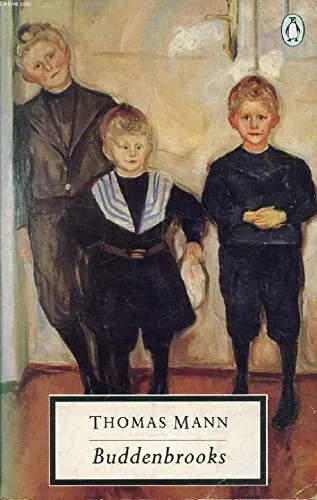
If Cao Xueqin showed you that the decline of a family can contain the decline of a whole moral universe, Buddenbrooks is indispensable. Mann follows a prosperous merchant household through its rooms, dinners, ledgers, marriages, jokes, illnesses, and inherited expectations. Wealth is never merely money: it is architecture, posture, reputation, and the exhausting obligation to remain worthy of one’s name.
Mann’s distinctive gift is to make erosion visible in temperament. One generation’s solidity becomes another’s anxiety or artistic sensitivity; family traits recur in altered, sometimes comic, sometimes heartbreaking forms. His irony keeps the book wonderfully alive—ceremonial grandeur is always vulnerable to appetite, vanity, and the wrong remark at dinner. Buddenbrooks made the young Mann famous and was singled out when he received the Nobel Prize. Like Dream of the Red Chamber, it leaves behind the uncanny memory not of having read about a family, but of having lived among one.