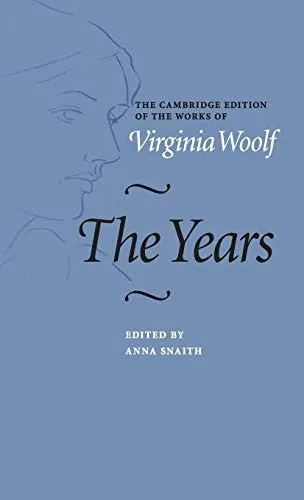
Books like The Years
Virginia Woolf’s The Years and James Salter’s Light Years make family life feel at once solidly inhabited and already vanishing, every ordinary room shadowed by time.
If you liked The Years, you’ll love these
Not lookalikes — kindred books. Each one shares something essential with The Years, and we tell you exactly what.
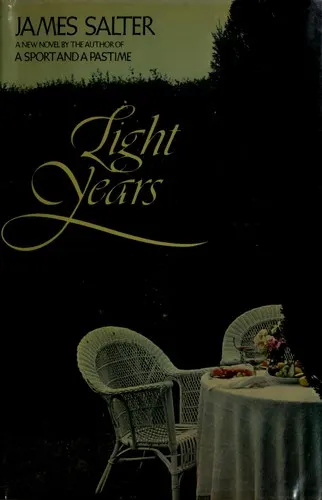
Salter builds a marriage and household from dinners, train journeys, weather, friendships and rooms glimpsed in changing light. Like Woolf, he distrusts the conventional dramatic climax: years disappear between paragraphs, while a gesture or seasonal detail suddenly reveals what time has done.
The result is both sensuous and mournful. Its polished surfaces never conceal permanence; they expose how impossible permanence is. Long cherished for Salter’s exact, luminous sentences, Light Years is the rare family novel that makes passing happiness as gripping as catastrophe.
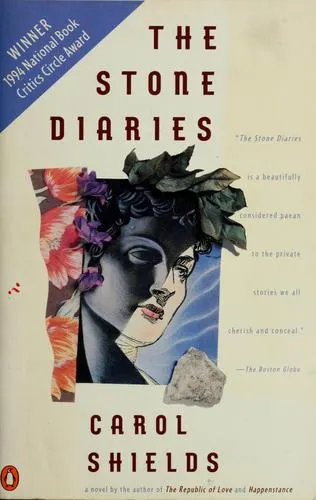
If The Years made you wonder how a whole life can be reconstructed from scattered scenes—and how much of a woman remains invisible even to her family—read The Stone Diaries. Daisy Goodwill’s life reaches the reader through shifting narration, photographs, letters, lists and the competing testimony of others. The gaps are as expressive as the evidence.
Shields treats ordinary existence without condescension: domestic arrangements, work, disappointment and small pleasures acquire the strangeness of history. Winner of both the Pulitzer Prize and Canada’s Governor General’s Award, the novel is formally daring without ever becoming cold. It leaves you feeling that an apparently unremarkable life is inexhaustible.
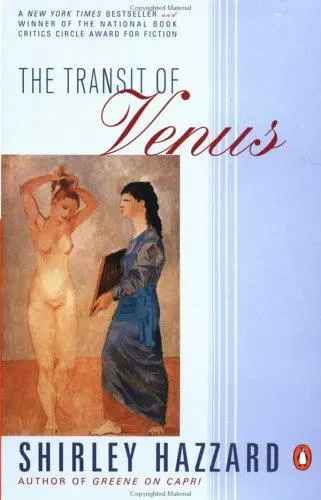
Hazzard follows two Australian sisters into the charged social world of postwar England, but the deepest kinship with Woolf lies in her handling of pressure: desire, class and power move beneath impeccably controlled conversations. A glance can redirect a life; a courteous sentence can become an act of violence.
The novel crosses decades through audacious ellipses, trusting the reader to notice echoes and buried connections. Hazzard’s prose is aphoristic, elegant and dangerously compressed, rewarding rereading without sacrificing emotional force. The Transit of Venus won the National Book Critics Circle Award and has inspired an unusually devoted readership; its final design is so exact that finishing it makes an immediate second reading feel necessary.