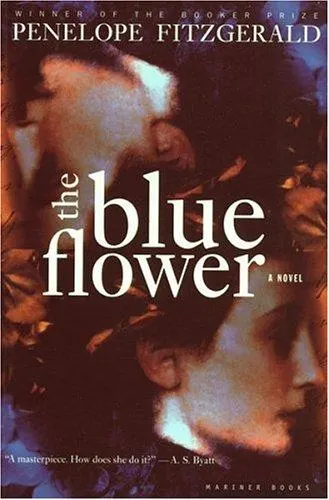
Books like The Blue Flower
Why should love—especially in an intelligent, practical world—fasten upon the one person everyone else finds impossible to understand? These novels share Fitzgerald’s fascination with desire as revelation, folly, and insoluble fact.
If you liked The Blue Flower, you’ll love these
Not lookalikes — kindred books. Each one shares something essential with The Blue Flower, and we tell you exactly what.
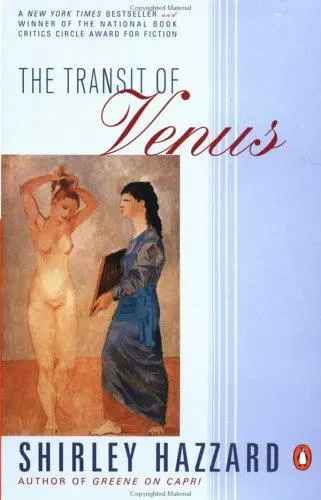
Hazzard writes with Fitzgerald’s exhilarating compression: a sentence can be socially funny, emotionally devastating, and quietly prophetic all at once. Two orphaned Australian sisters arrive in postwar England, where love and ambition draw them into lives whose patterns become visible only by degrees.
Like The Blue Flower, this is a novel about passion’s refusal to justify itself. Hazzard observes romantic idealism without either mocking or endorsing it, while her poised, allusive narration makes every omission feel charged. Winner of the National Book Critics Circle Award and adored by writers for its architectural precision, The Transit of Venus offers the rare pleasure of a novel that becomes larger—and stranger—after you finish it.
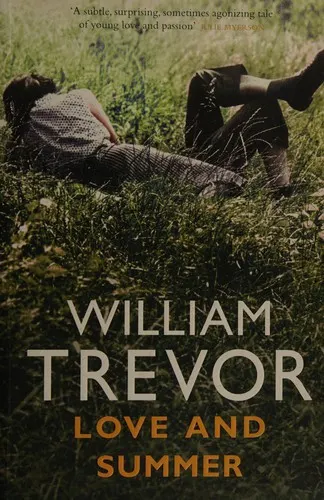
In a small Irish town, a young married woman meets an outsider with a camera. Trevor takes this simple beginning and makes it shimmer with possibility, danger, self-deception, and grace.
What will feel familiar is his tenderness toward people whose longings look absurd from the outside but are absolute from within. Like Fitzgerald, he can place comedy beside sorrow without announcing the change in temperature; both writers trust a tiny gesture or a misheard remark more than pages of explanation. Love and Summer, Trevor’s final novel, is the distilled work of one of the great short-form stylists: lucid, merciful, and so restrained that its emotional force seems to arrive from nowhere.

Goethe’s unsettling masterpiece asks whether human attachments obey forces as impersonal as chemical attraction. At a country estate, four cultivated people discover that good intentions, social arrangements, and reason are weak defenses against affinity.
This is the philosophical companion to The Blue Flower—not merely another German novel from the period, but an equally searching examination of what happens when an idea of love collides with ordinary bodies and households. Its cool, lucid surface conceals a radical ambiguity: is passion destiny, moral failure, or a story people tell to dignify appetite? Few novels have influenced later thinking about desire so deeply. Reading it makes Fitzgerald’s Fritz seem part of a larger, still-unfinished argument about whether love discovers meaning or invents it.