
Books like Elective Affinities
Polished rooms, cultivated gardens, impeccable manners—and beneath them, desire moving with the silent force of weather. These novels preserve Goethe’s unnerving balance of emotional heat, formal coolness, and moral uncertainty.
If you liked Elective Affinities, you’ll love these
Not lookalikes — kindred books. Each one shares something essential with Elective Affinities, and we tell you exactly what.
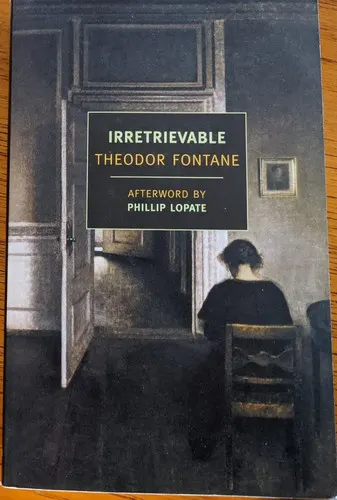
Fontane shares Goethe’s gift for making a marriage feel at once intimately human and subject to larger, almost impersonal laws. A cultivated couple’s estrangement emerges through differences of temperament, habits of speech, social expectations, and the meanings they attach to their surroundings. Nothing is crudely diagnosed; every courtesy carries pressure.
One of the great German realists, Fontane writes with poised irony and extraordinary emotional tact. Like Elective Affinities, Irretrievable refuses to decide whether catastrophe is caused by character, circumstance, or some fatal interaction between them. Its restraint makes it devastating: the novel seems quiet until you realize how completely it has enclosed you.

If Goethe’s marriage plot fascinated you as a beautifully arranged experiment whose participants cannot control its results, James’s late masterpiece is indispensable. Two marriages form an exquisitely balanced structure, while a flawed art object becomes both evidence and symbol. James turns glances, visits, purchases, and changes of tone into consequential acts.
The pleasure lies not simply in discovering what people know, but in watching knowledge alter them. Passion matters, yet perception matters more: who sees the pattern, who misreads it, and what moral authority understanding confers. Few novels make intelligence itself so suspenseful—or leave the reader so divided about whether delicacy, possession, and love can ever be separated.
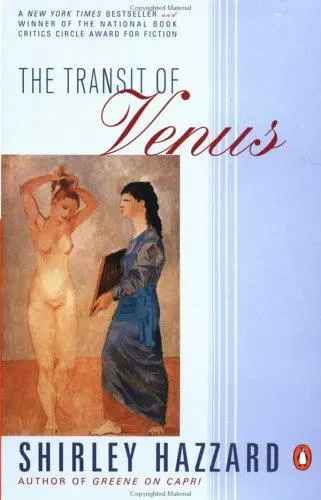
Hazzard’s novel has the inevitability of an astronomical event and the intimacy of a remembered touch. From its famously ominous opening, it traces two orphaned Australian sisters entering English life, arranging encounters and images so precisely that coincidence begins to feel like destiny—though human vanity, blindness, and courage remain fully responsible.
Its kinship with Goethe lies in that tension between design and freedom. Hazzard’s crystalline sentences repeatedly reveal hidden correspondences; landscapes and weather do intellectual as well as emotional work. Winner of the National Book Critics Circle Award and cherished by generations of writers and devoted rereaders, The Transit of Venus is one of those rare novels whose architecture becomes more astonishing after its passions have already overwhelmed you.