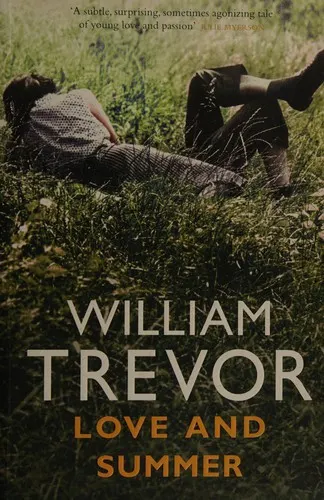
Books like Love and Summer
Hushed longing, watchful communities, summer light, and the sense that an ordinary life may quietly pivot on one forbidden hope linger through these three books.
If you liked Love and Summer, you’ll love these
Not lookalikes — kindred books. Each one shares something essential with Love and Summer, and we tell you exactly what.
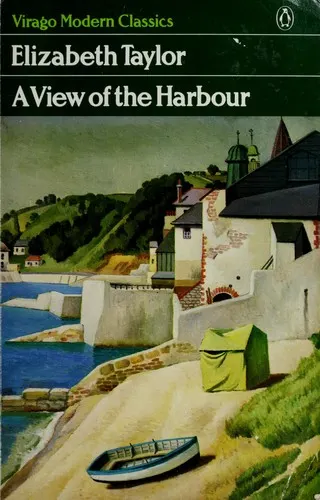
Taylor shares Trevor’s extraordinary ability to see an entire community without reducing anyone to a type. In a fading English seaside town, marriages, friendships, jealousies, and private disappointments overlap while a visiting painter observes the harbour. Like Trevor, Taylor moves effortlessly among consciousnesses: the busybody, the neglected wife, the restless child, the person behaving badly yet remaining painfully human.
Her wit is sharper than Trevor’s, but beneath it lies the same compassionate understanding that people often cause damage while merely trying to feel less alone. Long admired by novelists and passionately championed by discerning readers, Taylor turns apparent smallness into abundance. If you loved how Love and Summer makes gossip, glances, and minor choices carry immense moral weight, this is indispensable.
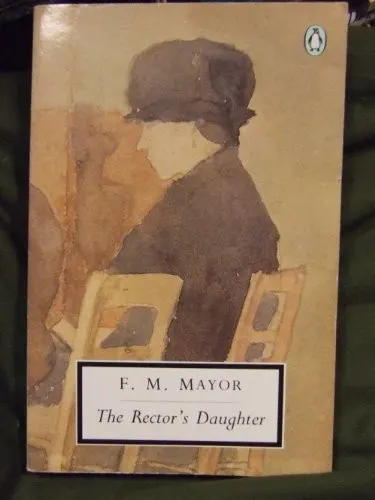
Mary Jocelyn has spent years caring for her widowed father in an English parish, her own desires so thoroughly subordinated that they scarcely seem to exist—until the arrival of a new curate makes another kind of life imaginable. Mayor renders her awakening without melodrama, through tiny alterations of expectation and attention.
This is the recommendation for the reader most moved by Ellie’s hunger for tenderness and by Trevor’s refusal to make love either a simple rescue or a punishable mistake. First published in 1924 and later restored to prominence by devoted admirers, including Virginia Woolf, The Rector’s Daughter is now regarded as a masterpiece of quiet emotional precision. Its restraint only intensifies its force: few novels understand so well how hope enters a confined life, or how much courage it takes merely to admit wanting.
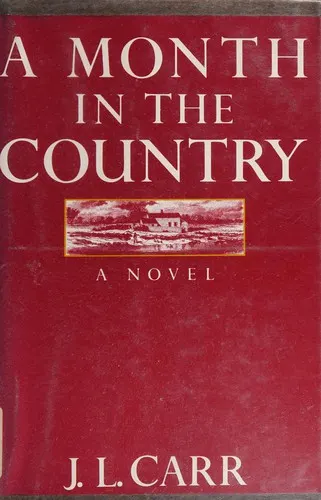
A traumatised veteran arrives in a Yorkshire village to uncover a medieval church painting, expecting little more than a temporary job and a place to sleep. Over one summer, steady work, landscape, and tentative companionship begin to return him to the world.
Carr’s celebrated short novel has Trevor’s gift for making beauty inseparable from its passing. Every detail—the church roof, a shared meal, distant music, a moment of welcome—gathers emotional resonance without being forced into symbolism. The retrospective voice lets happiness glow while reminding us that it cannot be held forever. Booker-shortlisted on publication and cherished far beyond its modest scale, A Month in the Country is one of those rare books whose gentleness is not an escape from grief but a way of looking directly at it.