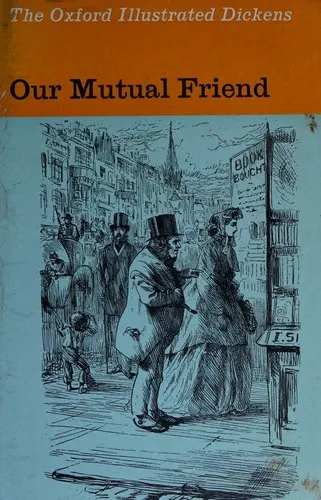
Books like Our Mutual Friend
Circulation. Our Mutual Friend draws its power from everything that moves through it—money, rubbish, rumors, identities, and affections—until all London seems caught in one darkly comic current. These novels offer that same exhilarating combination of social breadth, intricate design, moral anger, and human warmth.
If you liked Our Mutual Friend, you’ll love these
Not lookalikes — kindred books. Each one shares something essential with Our Mutual Friend, and we tell you exactly what.
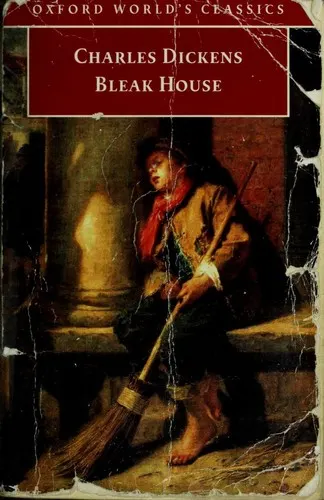
This is the essential companion to Our Mutual Friend and, for many readers and critics, Dickens’s supreme achievement. A seemingly interminable Chancery lawsuit spreads its influence through drawing rooms, slums, law offices, and charitable enterprises, binding strangers together before they understand the connection.
The kinship lies not merely in Victorian London but in Dickens’s astonishing orchestration: grotesque comedy beside desolation, institutional satire beside intimate tenderness. Its alternating narrators—Esther Summerson’s searching memoir and an ominous, all-seeing present-tense voice—make the city feel both personally knowable and terrifyingly vast. If the river and dust heaps of Our Mutual Friend seemed like physical embodiments of a diseased society, Bleak House’s fog performs an equally unforgettable transformation. To miss it is to miss Dickens at his most architecturally daring and emotionally complete.
Trollope begins with Augustus Melmotte, a financier whose colossal reputation matters far more than the uncertain facts behind it, then watches fashionable society reorganize itself around the promise of his wealth. Marriages, friendships, newspapers, and political judgments all acquire a price.
Where Dickens attacks greed with phantasmagoric invention, Trollope uses lethal composure. He lets compromises accumulate one plausible decision at a time, so that an entire society becomes implicated without ever formally agreeing to corruption. The result—widely regarded as Trollope’s great satirical masterpiece—has only grown more unnervingly modern in an age of speculative bubbles and manufactured prestige. Readers who loved the Veneerings, the inheritance machinery, and the question of whether affection can survive money’s distortions will find this novel irresistibly acute. Few books make financial fraud so socially revealing or so grimly entertaining.
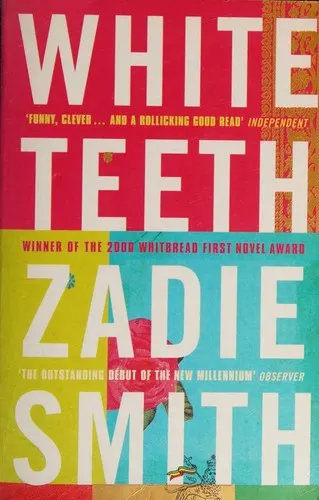
Zadie Smith’s prize-laden debut proves that the immense, coincidence-rich social novel did not end with Dickens. Beginning with Archie Jones at a moment of absurd despair, it expands into the intertwined lives of the Jones and Iqbal families, carrying private embarrassments and inherited convictions across generations and through multicultural London.
Smith shares Dickens’s appetite: for crowded rooms, outrageous secondary characters, comic names, public arguments, sudden pathos, and the secret histories concealed inside ordinary households. Her sentences continually turn observation into comedy, yet the comedy never erases her interest in belonging, self-invention, and the burdens people unknowingly pass to their children. White Teeth has remained beloved because its exuberance is not decorative—it is the form taken by a city too various for tidy realism. Anyone who delighted in Our Mutual Friend’s teeming human network should experience the sheer pleasure of watching Smith build one for modern London.