Author
Books like William Faulkner
6 books we recommend to William Faulkner readers, drawn from The Sound and the Fury, As I Lay Dying and Absalom, Absalom! — each with the reason why.
If you loved The Sound and the Fury
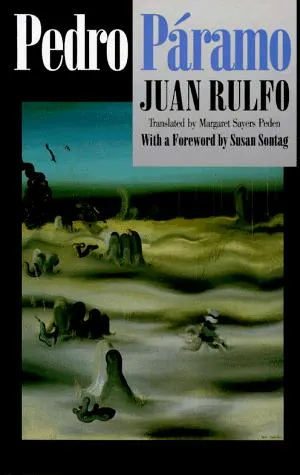
A young man travels to his mother’s hometown in search of the father he has never known, only to find voices accumulating around him—gossip, confession, accusation, longing—until the town seems to speak through time itself. Like Faulkner, Rulfo makes chronology feel less like a line than a haunted room: the past is not past because desire and guilt keep giving it breath.
Yet this brief Mexican masterpiece has its own uncanny bareness. Where Faulkner surges, Rulfo cuts; a few stark sentences can disclose an entire ruined life. Its splintered voices, tyrannical patriarch, and atmosphere of communal damnation profoundly influenced the Latin American Boom—Gabriel García Márquez famously revered it. It is scarcely longer than a novella, but readers spend lifetimes reconstructing its echoes.
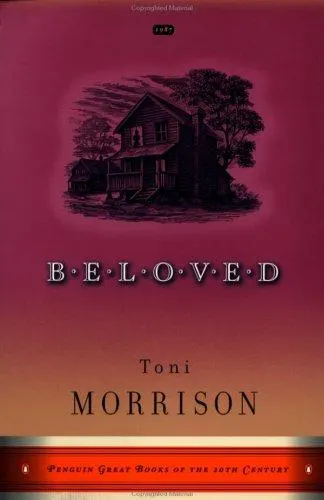
Morrison shares Faulkner’s conviction that the most painful history cannot be told straightforwardly. Her sentences move between lucid physical detail, incantation, and consciousness under unbearable pressure; crucial events arrive in fragments because the characters themselves can approach them only obliquely. The result is not a puzzle imposed on suffering but a form shaped by it.
From its opening in a spitefully haunted house, Beloved makes memory bodily: it inhabits rooms, interrupts daily work, and alters what love can demand. Morrison’s characters have the moral complexity of the Compsons without becoming symbols in an argument; tenderness, shame, possessiveness, and survival remain dangerously entangled. Winner of the Pulitzer Prize and central to Morrison’s Nobel-winning body of work, it has the rare stature of a modern classic that still feels ferociously alive sentence by sentence.
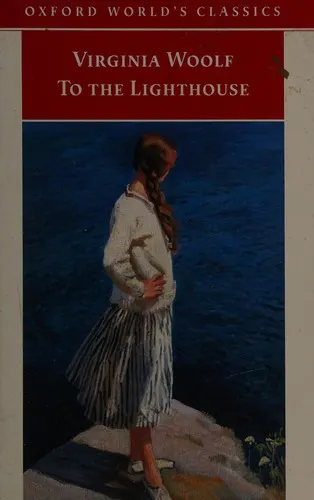
If Benjy’s section revealed to you how consciousness can collapse decades into a sensation, Woolf offers another astonishing way of making inner time visible. During a family’s stay on the Isle of Skye, an apparently simple question—whether tomorrow’s weather will permit a trip to the lighthouse—gathers the hidden force of marriage, childhood adoration, resentment, artistic doubt, and mortality.
Woolf passes almost imperceptibly from mind to mind, allowing one person’s casual remark to become another’s private wound. Then, in one of modernism’s most celebrated structural feats, she changes the scale of time itself: intimate life and historical loss register through a house, its objects, and the pressure of absence. Less fevered than Faulkner but equally exact about families misunderstanding one another, To the Lighthouse can permanently change how you notice the drama inside ordinary moments.
If you loved As I Lay Dying
Robinson shares Faulkner’s gift for making the material world—water, mud, cold rooms, food, clothing—carry metaphysical force. In a remote lakeside town, two orphaned sisters fall under the care of an aunt whose habits unsettle local ideas about family, domestic order, and respectable life.
Housekeeping is quieter than As I Lay Dying, but its strangeness accumulates just as powerfully. Its family bonds are improvised, burdensome, and nearly holy; its comedy is dry and tender; its biblical cadences continually transform household debris into revelation. Robinson’s debut won the PEN/Hemingway Award and became one of the most revered American novels of recent decades. Few books make loneliness and belonging feel so physically present.
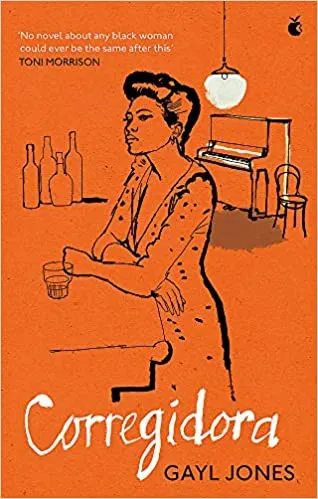
Where Faulkner builds a family’s history through clashing monologues, Gayl Jones builds one through blues: repetition, variation, suppressed testimony, and phrases that return with altered force. Ursa Corregidora, a singer, carries generations of women’s memories in a voice that is at once intimate, musical, furious, and guarded.
The novel’s power lies in how completely history enters the body and everyday speech. Desire, violence, inheritance, and the need to bear witness cannot be neatly separated; each conversation seems to contain voices from generations earlier. Toni Morrison edited Jones’s startling 1975 debut, now regarded as a landmark of American and Black feminist fiction. Readers drawn to Faulkner’s vernacular daring and morally difficult family legacies should not miss its fierce, unforgettable music.
If you loved Absalom, Absalom!

Fuentes gives you a corrupt patriarch at the edge of death and then breaks his life across time and grammatical person: “I,” “you,” and “he” compete to possess Artemio Cruz. That formal audacity creates the same exhilaration as Faulkner’s competing narrators. Character is never simply disclosed; it is produced through evasions, self-indictments, and retrospective inventions.
What makes the novel more than a virtuoso portrait is the way Cruz’s private betrayals become inseparable from the compromised ideals of the Mexican Revolution. Power builds a man while hollowing him out, and the family fortune becomes a historical document written in coercion. A landmark of the Latin American Boom, The Death of Artemio Cruz offers the grand architecture, moral ferocity, and demanding readerly participation that make Absalom, Absalom! inexhaustible.