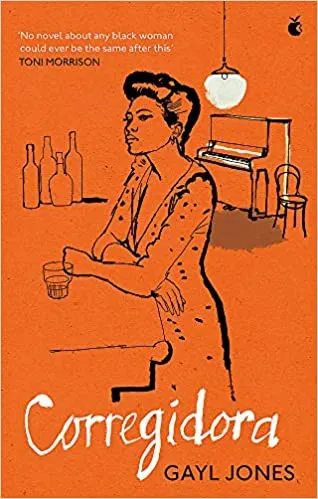
Books like Corregidora
You responded to the way Jones makes history live inside voice, sex, and the body—and to prose whose repetitions work like a blues refrain. These novels pursue that same difficult truth without softening it.
If you liked Corregidora, you’ll love these
Not lookalikes — kindred books. Each one shares something essential with Corregidora, and we tell you exactly what.
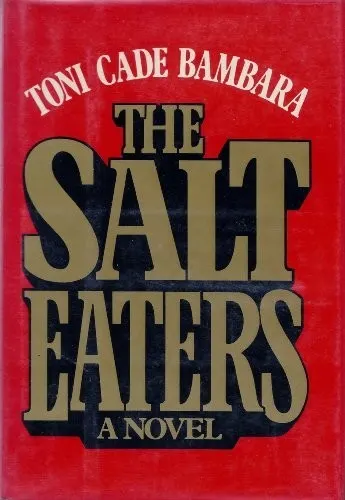
Velma Henry sits inside a community healing ceremony, poised between breakdown and recovery, while voices, memories, politics, and spiritual forces crowd around her. Bambara’s famous opening question—“Are you sure, sweetheart, that you want to be well?”—contains the novel’s challenge: healing may require surrendering the identity that suffering has made.
Like Jones, Bambara writes bodily experience as collective history. Her dense, syncopated prose moves through consciousness rather than explaining it, demanding the same alertness that Corregidora rewards. Winner of the American Book Award, The Salt Eaters is a fiercely original novel whose difficulty is inseparable from its power.

Dessa is pregnant, imprisoned, and being interviewed by a white writer who believes he can turn her life into authoritative evidence. Williams makes the struggle over narration itself—the gap between what Dessa says, what is recorded, and what the reader understands—the novel’s first battleground.
A lover of Corregidora will recognize the urgency of wresting Black women’s history from documents that distort or erase it. Dessa’s voice carries memory through cadence, indirection, and repetition; testimony becomes something alive rather than archival. Now regarded as a foundational neo-slave narrative, Dessa Rose is both intellectually bracing and driven by a voice you cannot mistake for anyone else’s.
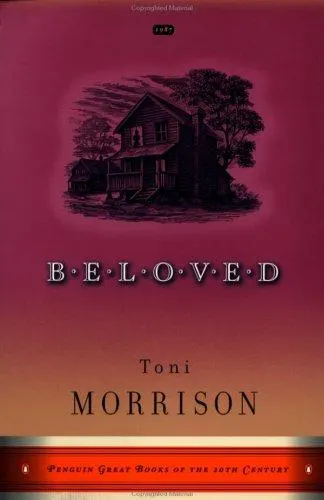
At 124 Bluestone Road, haunting is not a metaphor but part of the household. Sethe has escaped slavery, yet the past remains physically present—in her home, her scars, her motherhood, and the stories that can barely be spoken.
Beloved shares Corregidora’s deepest conviction: historical violence survives through intimate life, and remembering can be both necessary and destructive. Morrison’s shifting voices and incantatory repetitions make language behave like traumatic memory, circling what cannot be told directly. The Pulitzer Prize only hints at the novel’s stature; it changed what readers believed an American novel could hold. If Jones’s fusion of blues, body, and inherited pain seized you, leaving Beloved unread would mean missing its monumental counterpart.