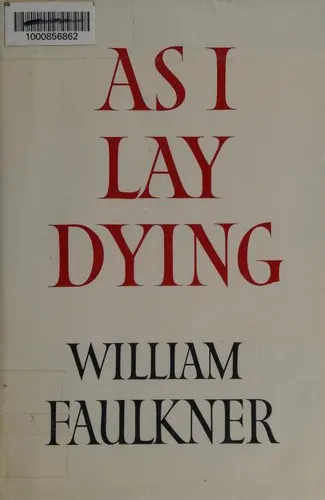
Books like As I Lay Dying
—because what remains is not simply the Bundrens’ ordeal, but the collision of private voices, bodily misery, fierce loyalty, and comedy so dark it becomes almost sacred. These novels exert that same pressure in strikingly different ways.
If you liked As I Lay Dying, you’ll love these
Not lookalikes — kindred books. Each one shares something essential with As I Lay Dying, and we tell you exactly what.
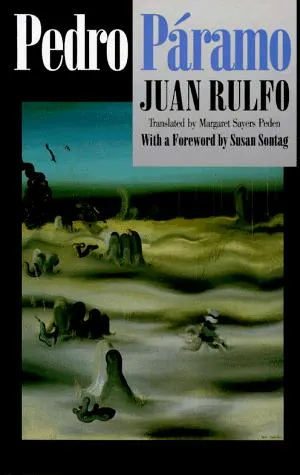
A man arrives in his mother’s hometown seeking the father he never knew, only to find that the town speaks in murmurs, memories, and voices whose owners are not always clear. Like Faulkner, Rulfo makes chronology porous and lets truth emerge from overlapping testimony rather than authoritative narration.
Yet this Mexican masterpiece is even more compressed: every silence feels inhabited, every sentence bears weight. Its spectral chorus turns family history into communal doom without sacrificing intimacy or bleak humor. Rulfo’s only novel became foundational to Latin American fiction and profoundly influenced writers including García Márquez. If the shifting consciousnesses of As I Lay Dying felt like discovering a new way a novel could think, Pedro Páramo is indispensable.
Robinson shares Faulkner’s gift for making the material world—water, mud, cold rooms, food, clothing—carry metaphysical force. In a remote lakeside town, two orphaned sisters fall under the care of an aunt whose habits unsettle local ideas about family, domestic order, and respectable life.
Housekeeping is quieter than As I Lay Dying, but its strangeness accumulates just as powerfully. Its family bonds are improvised, burdensome, and nearly holy; its comedy is dry and tender; its biblical cadences continually transform household debris into revelation. Robinson’s debut won the PEN/Hemingway Award and became one of the most revered American novels of recent decades. Few books make loneliness and belonging feel so physically present.
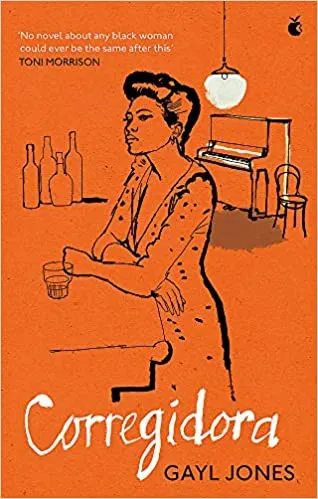
Where Faulkner builds a family’s history through clashing monologues, Gayl Jones builds one through blues: repetition, variation, suppressed testimony, and phrases that return with altered force. Ursa Corregidora, a singer, carries generations of women’s memories in a voice that is at once intimate, musical, furious, and guarded.
The novel’s power lies in how completely history enters the body and everyday speech. Desire, violence, inheritance, and the need to bear witness cannot be neatly separated; each conversation seems to contain voices from generations earlier. Toni Morrison edited Jones’s startling 1975 debut, now regarded as a landmark of American and Black feminist fiction. Readers drawn to Faulkner’s vernacular daring and morally difficult family legacies should not miss its fierce, unforgettable music.