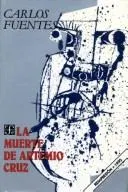
Books like The Death of Artemio Cruz
Readers return to Artemio Cruz because its formal audacity never overwhelms its human reckoning: each fractured memory exposes how revolutionary hope hardened into appetite, wealth, and self-deception.
If you liked The Death of Artemio Cruz, you’ll love these
Not lookalikes — kindred books. Each one shares something essential with The Death of Artemio Cruz, and we tell you exactly what.
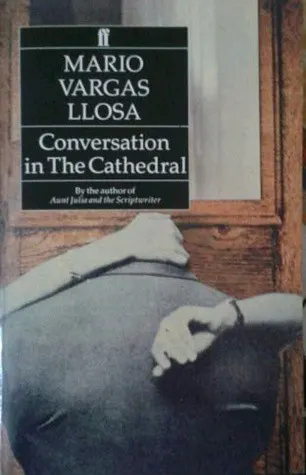
Like Fuentes, Vargas Llosa makes a nation’s corruption legible through compromised private lives. The novel begins with Santiago Zavala’s famous question—when did Peru go wrong?—then answers not with a thesis but with interlocking conversations, memories, betrayals, and shifts of perspective.
Its demanding architecture has the same exhilaration as Fuentes’s movement among first, second, and third person: chronology dissolves, voices overlap, and apparently incidental details acquire devastating weight. Widely regarded as one of Vargas Llosa’s masterpieces, it turns political oppression into an atmosphere people breathe even in bedrooms, bars, and family homes. If Artemio Cruz convinced you that history is most truthful when told through moral entanglement, this is indispensable.
Roa Bastos takes the divided consciousness that makes Artemio Cruz so gripping and pushes it into stranger territory. Paraguay’s nineteenth-century dictator José Gaspar Rodríguez de Francia argues with his secretary, his documents, his enemies, and versions of himself while an anonymous forged decree announces his death.
The result is less a conventional historical novel than a struggle over who controls language—and therefore reality. Commands mutate, official records contradict themselves, and the ruler who would author an entire nation cannot secure the meaning of his own words. A foundational achievement of the Latin American dictator novel, I the Supreme offers the intellectual ferocity and verbal invention of Fuentes while making power itself seem like a diseased form of narration.
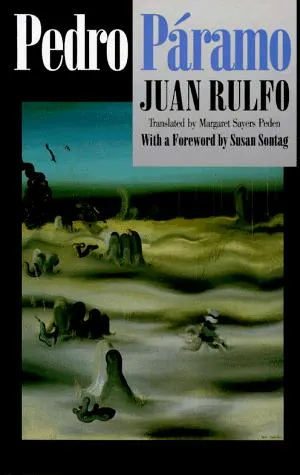
Juan Preciado travels to Comala to find the father he has never known, but the town greets him in murmurs: stories drift across time, speakers emerge without warning, and memory seems more substantial than the present. Rulfo’s short novel shares Fuentes’s faith that fractured narration can reveal truths orderly realism cannot.
Pedro Páramo is also a devastating portrait of patriarchal power. One man’s desires deform families, property, faith, and an entire community; intimate cruelty becomes historical catastrophe. Yet where Fuentes is expansive and rhetorical, Rulfo is compressed, spectral, and eerily quiet. Its influence on Latin American fiction is immense—García Márquez famously revered it—and its fewer than 150 pages contain enough voices, grief, and formal mystery to sustain a lifetime of rereading.