Author
Books like Washington Irving
6 books we recommend to Washington Irving readers, drawn from The Legend of Sleepy Hollow and Rip Van Winkle — each with the reason why.
If you loved The Legend of Sleepy Hollow
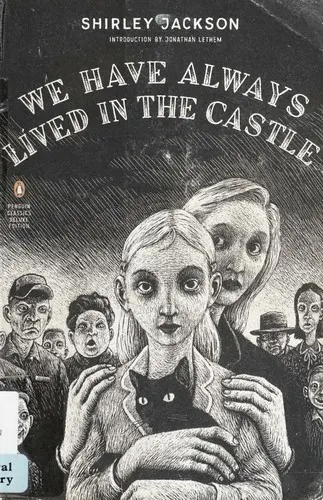
Jackson gives village gossip the force of a curse. Merricat Blackwood lives in wary seclusion with her sister and uncle, regarding the neighboring townspeople with a mixture of fear, contempt, and magical suspicion. Like Irving, Jackson makes communal malice funny until the laughter catches in your throat.
The novel’s great pleasure is its beguiling voice: Merricat is observant, childish, poetic, and not entirely trustworthy. A modern Gothic masterpiece, it turns ordinary social cruelty into something as uncanny as any ghost story.
If Sleepy Hollow’s unresolved contest between superstition and common sense is what haunts you, read this Booker-shortlisted novel. Dr. Faraday, a sober country physician, becomes fascinated by Hundreds Hall, a decaying English estate whose inhabitants report increasingly disturbing incidents. He always has a rational explanation—and Waters quietly encourages you to examine the desires behind his certainty.
The patient accumulation of physical detail is extraordinary: scratched walls, unexplained sounds, shabby rooms still performing their former grandeur. Few novels sustain supernatural ambiguity so rigorously or make self-deception feel so dangerous.
Zelazny recaptures the sheer pleasure of being told a macabre tale by someone who is plainly enjoying himself. Snuff, an unusually capable watchdog, narrates as his master and a collection of suspicious neighbors prepare for a mysterious October game. The tone is companionable, dryly funny, and increasingly eerie.
Its daily October structure, affectionate use of Gothic lore, and nimble shifts between coziness and menace have made it a seasonal rereading ritual for devoted fans. It is that rare literary confection: ingenious without becoming fussy, charming without defanging the darkness.
If you loved Rip Van Winkle
Laura Willowes is treated by her family as a useful, permanently available aunt. Warner describes her quiet resistance with the same dry sympathy Irving gives Rip: both are misfits whose apparent passivity conceals a deep refusal to live by other people’s clocks.
The English countryside gradually acquires an uncanny charge, yet Warner never sacrifices her poised comedy for Gothic theatrics. First published in 1926—and famously the inaugural Book-of-the-Month Club selection—it has endured as a singular feminist classic. Its liberation feels mischievous, pastoral, and just dangerous enough: precisely the book to read if Rip’s escape from usefulness seemed less like a failing than a secret victory.
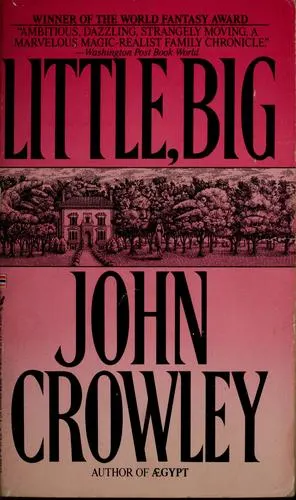
Smoky Barnable walks toward Edgewood, an extraordinary house, to marry into a family who believe their lives belong to a mysterious Tale. That opening has Irving’s gift for making American ground feel old with enchantment: roads wander, houses resist ordinary measurement, and folklore seems to be growing beneath the modern world.
Crowley’s narrator also possesses the essential storyteller’s wink—the sense that an unbelievable account may be truer than a sober one. But the novel’s deepest kinship with Rip Van Winkle lies in its feeling for time: families change, wonders recede, and happiness becomes inseparable from impermanence. Winner of the World Fantasy Award and now a fiercely loved cult classic, Little, Big is one of the rare long novels whose magic seems to enlarge after the last page.
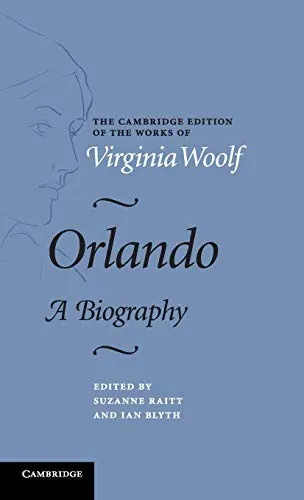
Woolf begins with a beautiful, impulsive young aristocrat in Elizabethan England and proceeds in the mock-authoritative voice of a biographer confronted by a life that refuses to behave plausibly. The result has Rip’s delicious friction between impossible private experience and the solemn record of History.
Orlando moves through time with buoyant irreverence, skewering institutions, fashions, literary reputations, and society’s demand that identity remain fixed. Yet beneath the jokes lies the same melancholy Irving catches when Rip returns to a world that has continued without him. One of Woolf’s most accessible and exuberant novels, it turns historical change into intimate comedy—and makes ordinary chronology seem like a dreary convention imposed on the imagination.