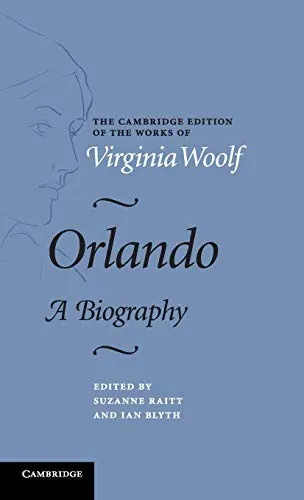
Books like Orlando: A Biography
Orlando: A Biography turns the solemn machinery of history—portraits, estates, archives, literary reputations—into toys, while treating the freedom to become oneself with complete seriousness. These novels share that exhilarating mixture of formal mischief and emotional conviction.
If you liked Orlando: A Biography, you’ll love these
Not lookalikes — kindred books. Each one shares something essential with Orlando: A Biography, and we tell you exactly what.
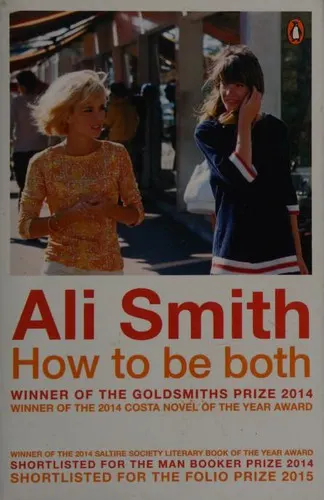
Printed in two possible orders, with either of its interlocking stories first, How to Be Both makes chronology as wonderfully unstable as Orlando makes biography. A contemporary girl mourning her mother and a Renaissance painter whose identity resists easy categories meet through art, language, and the strange persistence of the dead.
Smith’s quicksilver prose can turn a pun into an argument about gender, then turn that argument into grief or delight. The novel won both the Goldsmiths Prize and the Costa Novel Award, yet its distinction is not prizeworthy solemnity: it feels alive, improvisatory, and intimate. If Orlando showed you that identity can remain fluid without becoming insubstantial, Smith’s dazzling construction is indispensable.
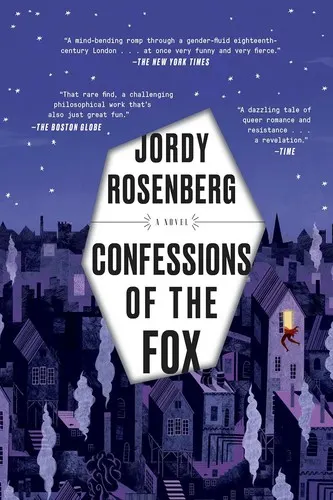
A professor discovers a manuscript purporting to tell the true story of the eighteenth-century thief Jack Sheppard—and begins annotating it. Soon the footnotes become a second novel: personal, argumentative, erotic, and increasingly rebellious against the institutions that claim ownership of bodies and historical truth.
Rosenberg shares Woolf’s suspicion that biography often disguises invention as authority. But where Orlando parodies the confident biographer, Confessions of the Fox lets scholarship itself come apart on the page. Its thieves, lovers, forged documents, and unruly notes create a trans historical novel with the energy of an intellectual heist. Few books make archival theory this funny, urgent, and genuinely adventurous.
Ninety-two-year-old Marian Leatherby is given a hearing trumpet, overhears her family planning to send her away, and enters an institution whose bizarre architecture and occult rules prove only the beginning. Carrington treats respectable society as the true absurdity; age, femininity, religion, and civilization are all gleefully stripped of their supposed inevitability.
A cult classic by one of surrealism’s great artists, The Hearing Trumpet has Orlando’s serene refusal to obey the boundaries of a proper life—or a proper novel. Its comedy keeps opening into stranger forms: fairy tale, satire, apocalypse, mystical adventure. Marian’s unflappable curiosity makes the book feel less like an escape from reality than liberation from reality’s dullest conventions.