Author
Books like Tobias Wolff
3 books we recommend to Tobias Wolff readers, drawn from The Barracks Thief — each with the reason why.
If you loved The Barracks Thief
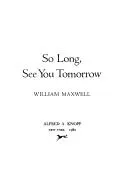
Maxwell’s brief masterpiece begins with an old man recalling a childhood friendship and a murder that shattered two neighboring families. Like Wolff, Maxwell distrusts easy verdicts. He moves from remembered fact into imaginative sympathy, asking what it means to reconstruct another person’s pain—and whether understanding can ever repair a failure of loyalty.
The prose is lucid, quiet, and almost unbearably precise. A gesture or withheld word carries the weight another novelist might assign to a chapter. Awarded the William Dean Howells Medal and cherished by generations of writers, it has the rare authority of a book that never raises its voice. Anyone haunted by Wolff’s treatment of betrayal will find Maxwell’s final emotional reckoning indispensable.
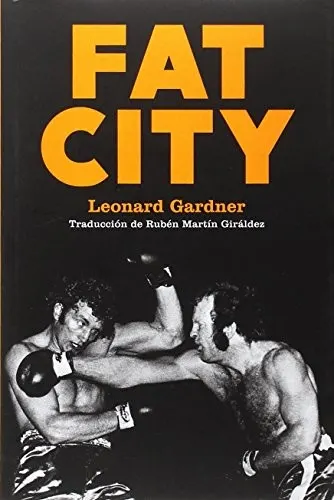
Gardner’s only novel follows boxers, trainers, and laborers in Stockton, California, but its true subject is the precarious distance between the man one hopes to be and the man one repeatedly proves oneself to be. That makes it a fierce companion to The Barracks Thief: both books expose masculine bravado without sneering at it, recognizing the hunger for dignity beneath drinking, boasting, cowardice, and failure.
Gardner writes with hard, sensory economy—cheap rooms, exhausted bodies, bruising work—and refuses the consolations of a conventional rise-and-fall story. Fat City has become a cult classic because its compassion is inseparable from its unsentimental accuracy. Its defeated men are rendered so vividly that ignoring them begins to feel like a moral failure.
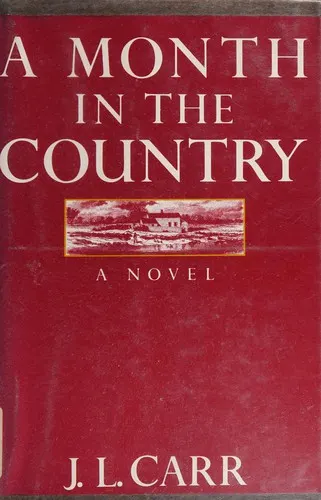
A veteran arrives in a Yorkshire village to uncover a medieval wall painting, carrying damage from war and marriage that he can barely articulate. Carr’s novel is gentler in atmosphere than Wolff’s, yet it shares Wolff’s deepest gift: showing how trauma hides inside ordinary conduct, and how fellowship can be both sustaining and tragically insufficient.
Narrated from old age, it turns a single summer into an inquiry about happiness recognized too late. Every omission matters; tenderness gathers around what the narrator cannot recover. Winner of the Guardian Fiction Prize and shortlisted for the Booker, this slender novel has inspired unusually devoted readers because its beauty never softens its regret. It leaves behind the ache of a life briefly opened—and a warning about failing to enter it while there is still time.