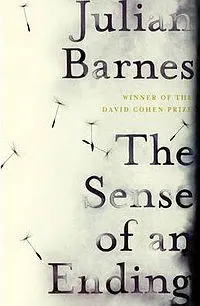
Books like The Sense of an Ending
Quiet dread, backward glances, and the suspicion that a well-tended life story may conceal its most important truth run through these three remarkable novels.
If you liked The Sense of an Ending, you’ll love these
Not lookalikes — kindred books. Each one shares something essential with The Sense of an Ending, and we tell you exactly what.
Like Barnes’s novel, this is a small book with an immense moral echo. An aging narrator returns to a murder from his Illinois childhood and to the friend he believes he failed, trying to repair through imagination what memory cannot recover.
Maxwell’s prose is gentler than Barnes’s, but no less exacting about guilt, omission, and the stories we tell to make ourselves bearable. Awarded the William Dean Howells Medal and cherished by generations of writers, it achieves something rare: every quiet sentence seems to deepen the ache. If you loved how Barnes turns retrospection into a reckoning, this may feel indispensable.

Its famous opening—“This is the saddest story I have ever heard”—begins an account of two apparently civilized couples whose polished lives prove far less stable than the narrator believes. The fascination lies not simply in what happened, but in watching him circle it: correcting himself, jumbling chronology, and inadvertently exposing what he would rather not know.
A landmark of unreliable narration, The Good Soldier makes the reader an active investigator of character and motive. Barnes’s Tony Webster has a clear literary ancestor here, yet Ford’s nervous, looping performance is wholly its own: intimate, elegant, darkly comic, and increasingly alarming.
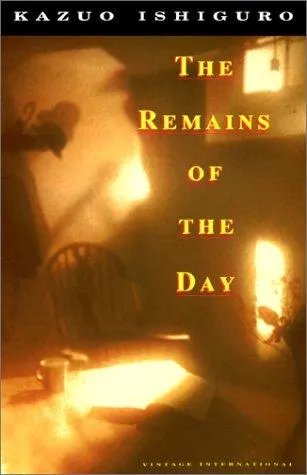
Stevens, an English butler traveling through the countryside, uses the journey to review a lifetime devoted to professional dignity. His controlled, impeccably courteous voice is the novel’s great instrument: feeling appears in evasions, qualifications, and details whose significance he cannot quite admit.
This Booker Prize winner shares Barnes’s devastating interest in the gap between being intelligent and understanding oneself. But where The Sense of an Ending is taut with suspicion, Ishiguro proceeds by exquisite emotional pressure, allowing regret to gather almost invisibly. Few novels make self-deception so moving—or make a restrained voice reveal so much against its owner’s wishes.