Author
Books like Thomas Hardy
6 books we recommend to Thomas Hardy readers, drawn from Far from the Madding Crowd, Tess of the d'Urbervilles and The Mayor of Casterbridge — each with the reason why.
If you loved Far from the Madding Crowd
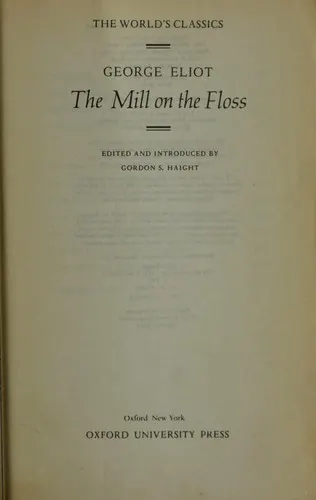
Maggie Tulliver has Bathsheba’s vividness: intelligent, impulsive, hungry for a larger life, and continually judged by people with smaller imaginations. Eliot surrounds her with an entire provincial world—comic relatives, local rivalries, money anxieties—then shows how that world presses upon private feeling.
Like Hardy, Eliot can be affectionate and merciless in the same sentence. The result is one of the great nineteenth-century novels of female desire and social constraint: intimate enough to break your heart, capacious enough to make a whole community breathe.
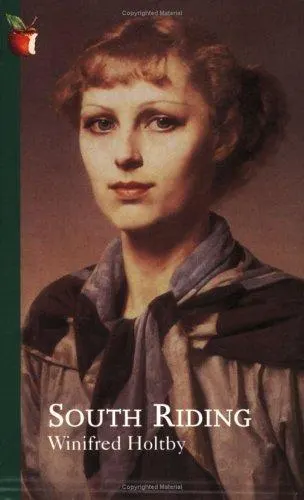
Holtby gives you what many pastoral novels omit: the machinery of a rural society. Schoolrooms, council meetings, farms, debts, elections, and private longings all interlock. At its center is Sarah Burton, an energetic new headmistress whose independence and ambition should immediately appeal to anyone captivated by Bathsheba Everdene.
Yet this is no imitation of Hardy. Holtby’s beloved final novel, published after her early death, brings a distinctly twentieth-century faith in education and public service to Hardy-like tensions between land, class, character, and fate. Its Yorkshire community becomes as absorbing as any single romance.
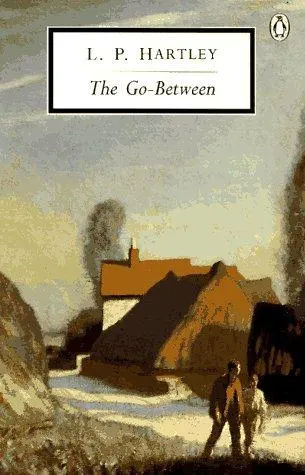
Hartley captures the dangerous side of pastoral beauty: the way heat, fields, formal manners, and half-understood desire can turn an idyllic summer into a pressure chamber. An older man recalls visiting a grand country house as a boy, when he became entangled in the secret emotional life of the adults around him.
The affinity with Hardy lies in atmosphere and moral tension rather than plot. Both writers understand that convention does not suppress passion; it forces passion into more destructive channels. An enduring English classic with one of literature’s most famous opening lines, The Go-Between casts a spell of sunlight and unease that is very hard to shake.
If you loved Tess of the d'Urbervilles
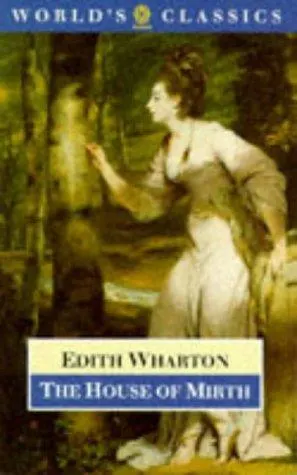
Lily Bart, like Tess, is admired for qualities that become liabilities in a world governed by money, reputation, and sexual hypocrisy. Wharton places her in glittering New York drawing rooms rather than Hardy’s fields, but scrutinizes society with the same furious clarity: men may transgress, while a woman can be ruined by suspicion alone.
Widely regarded as one of Wharton’s finest novels, it is exquisitely controlled—witty on the surface, devastating underneath. Lily’s intelligence and flawed attempts to preserve her dignity make her far more than a passive victim. If Tess left you grieving not only for one woman but for the civilization that failed her, Lily Bart is unforgettable company.
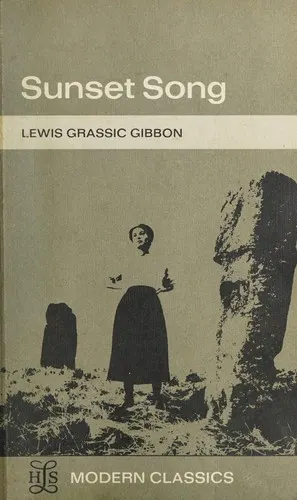
Read this for the element of Tess that no drawing-room tragedy can reproduce: the intimate bond between a young woman and the land. Chris Guthrie grows up in a harsh Scottish farming community, divided between intellectual ambition and a deep, almost bodily attachment to the fields around her. Gibbon’s rhythmic prose makes weather, labor, violence, and desire feel part of one living world.
Long cherished as one of Scotland’s great novels, Sunset Song possesses Hardy’s grandeur without imitating him. Chris is clear-eyed, sensuous, and extraordinarily resilient; the community around her can be comic, brutal, loyal, and vicious in a single breath. Its landscapes are magnificent, but they never become decoration—they shape the people who must survive within them.
If you loved The Mayor of Casterbridge
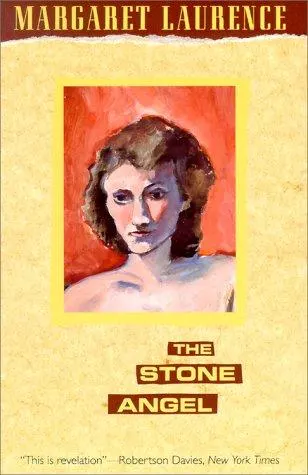
Hagar Shipley is the heroine Henchard’s admirers should meet: proud, formidable, emotionally guarded, and incapable of recognizing surrender as wisdom. Now elderly, she resists her family’s plans for her while memories reveal the lifelong cost of her fierce self-command. Laurence neither excuses Hagar nor reduces her to a cautionary figure; she lets vanity, courage, cruelty, and thwarted love coexist.
A cornerstone of Canadian literature and the first of Laurence’s celebrated Manawaka novels, The Stone Angel has the austere force of classical tragedy while remaining vividly intimate. Few novels understand so well why pride can be both a person’s strength and the instrument of their loneliness.