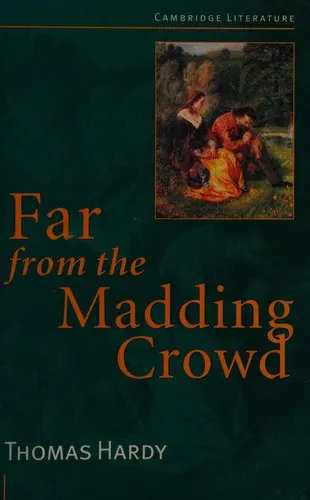
Books like Far from the Madding Crowd
Reading Hardy here feels like standing in a bright, windy field while comedy, desire, pride, and approaching disaster all move through the same weather. The countryside is alive, the community is watchful, and Bathsheba’s freedom makes every romantic choice feel consequential.
If you liked Far from the Madding Crowd, you’ll love these
Not lookalikes — kindred books. Each one shares something essential with Far from the Madding Crowd, and we tell you exactly what.
Maggie Tulliver has Bathsheba’s vividness: intelligent, impulsive, hungry for a larger life, and continually judged by people with smaller imaginations. Eliot surrounds her with an entire provincial world—comic relatives, local rivalries, money anxieties—then shows how that world presses upon private feeling.
Like Hardy, Eliot can be affectionate and merciless in the same sentence. The result is one of the great nineteenth-century novels of female desire and social constraint: intimate enough to break your heart, capacious enough to make a whole community breathe.
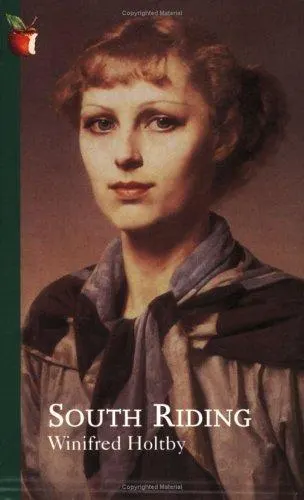
Holtby gives you what many pastoral novels omit: the machinery of a rural society. Schoolrooms, council meetings, farms, debts, elections, and private longings all interlock. At its center is Sarah Burton, an energetic new headmistress whose independence and ambition should immediately appeal to anyone captivated by Bathsheba Everdene.
Yet this is no imitation of Hardy. Holtby’s beloved final novel, published after her early death, brings a distinctly twentieth-century faith in education and public service to Hardy-like tensions between land, class, character, and fate. Its Yorkshire community becomes as absorbing as any single romance.
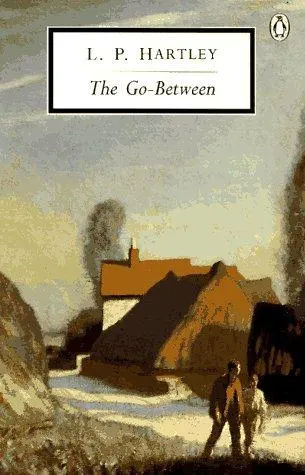
Hartley captures the dangerous side of pastoral beauty: the way heat, fields, formal manners, and half-understood desire can turn an idyllic summer into a pressure chamber. An older man recalls visiting a grand country house as a boy, when he became entangled in the secret emotional life of the adults around him.
The affinity with Hardy lies in atmosphere and moral tension rather than plot. Both writers understand that convention does not suppress passion; it forces passion into more destructive channels. An enduring English classic with one of literature’s most famous opening lines, The Go-Between casts a spell of sunlight and unease that is very hard to shake.