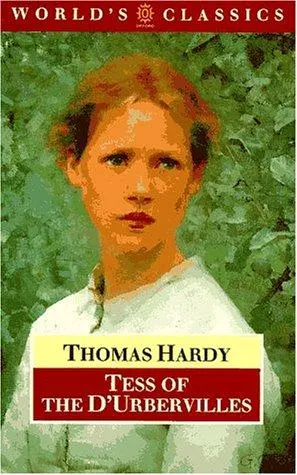
Books like Tess of the d'Urbervilles
You loved Hardy’s fusion of sensual beauty, moral outrage, and gathering tragedy—especially his insistence that society’s judgments can be crueler than any private wrongdoing. These three novels carry that power in strikingly different directions.
If you liked Tess of the d'Urbervilles, you’ll love these
Not lookalikes — kindred books. Each one shares something essential with Tess of the d'Urbervilles, and we tell you exactly what.
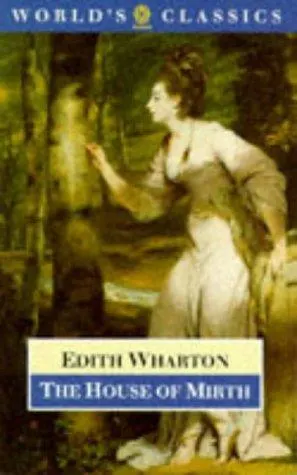
Lily Bart, like Tess, is admired for qualities that become liabilities in a world governed by money, reputation, and sexual hypocrisy. Wharton places her in glittering New York drawing rooms rather than Hardy’s fields, but scrutinizes society with the same furious clarity: men may transgress, while a woman can be ruined by suspicion alone.
Widely regarded as one of Wharton’s finest novels, it is exquisitely controlled—witty on the surface, devastating underneath. Lily’s intelligence and flawed attempts to preserve her dignity make her far more than a passive victim. If Tess left you grieving not only for one woman but for the civilization that failed her, Lily Bart is unforgettable company.
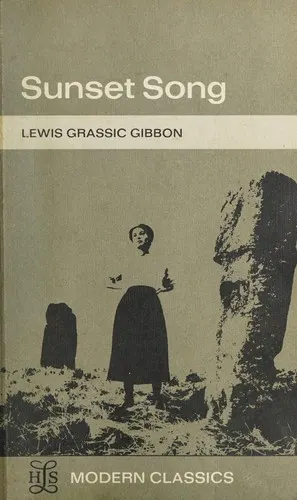
Read this for the element of Tess that no drawing-room tragedy can reproduce: the intimate bond between a young woman and the land. Chris Guthrie grows up in a harsh Scottish farming community, divided between intellectual ambition and a deep, almost bodily attachment to the fields around her. Gibbon’s rhythmic prose makes weather, labor, violence, and desire feel part of one living world.
Long cherished as one of Scotland’s great novels, Sunset Song possesses Hardy’s grandeur without imitating him. Chris is clear-eyed, sensuous, and extraordinarily resilient; the community around her can be comic, brutal, loyal, and vicious in a single breath. Its landscapes are magnificent, but they never become decoration—they shape the people who must survive within them.
Maggie Tulliver has Tess’s emotional abundance: she feels too intensely, loves too loyally, and cannot compress herself into the narrow role her community permits. Beginning with her unruly childhood beside the River Floss, Eliot shows how family affection, shame, class, and moral expectation gradually form the boundaries of a woman’s life.
What makes this one of the enduring achievements of Victorian fiction is Eliot’s radical sympathy. She understands Maggie’s hunger for freedom, yet also understands the claims of home and kin that make freedom costly. The river country is rendered with Hardy-like intimacy, while the novel’s emotional conflicts are even more psychologically searching. To miss Maggie after loving Tess would be to miss one of her closest literary sisters.