Author
Books like Terry Pratchett
6 books we recommend to Terry Pratchett readers, drawn from Going Postal and Nation — each with the reason why.
If you loved Going Postal
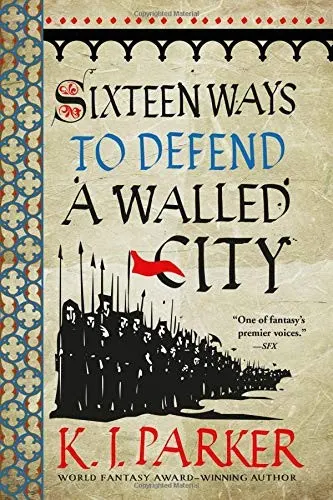
Orhan is an engineer, an outsider, and a gifted improviser who finds himself responsible for a city under siege. Like Moist von Lipwig, he survives by reading people quickly, treating rules as raw material, and manufacturing confidence before anyone notices how little of it is justified.
Parker makes logistics—bridges, supplies, labor, chains of command—into exhilarating narrative machinery. The dry first-person voice is superb, full of ingenious solutions and morally dubious admissions. This is Pratchett’s cult of competence stripped of some warmth and given sharper teeth: funny, skeptical, and impossible to stop reading once Orhan starts turning catastrophe into a project plan.
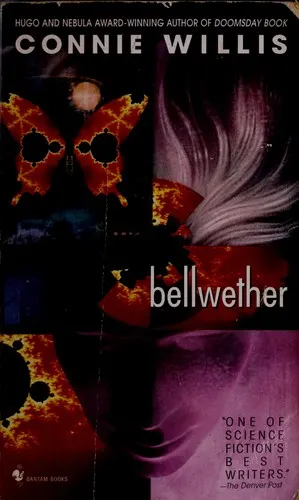
Sandra Foster studies how fads begin inside HiTek, a research company whose management worships acronyms, compulsory initiatives, and paperwork that obstructs the work it supposedly supports. Her attempt to conduct actual science amid corporate nonsense brings her together with a chaos theorist, a flock of sheep, and one of fiction’s most memorably exasperating assistants.
Willis shares Pratchett’s rare ability to make bureaucracy both absurd and revealing. Beneath the farce is a generous faith in curiosity, competence, and people who quietly keep things functioning. The romantic thread is light-footed, the comic timing immaculate, and the satire remains unnervingly current. This Nebula-finalist is one of Willis’s enduring comic pleasures: short enough to devour, clever enough to revisit.
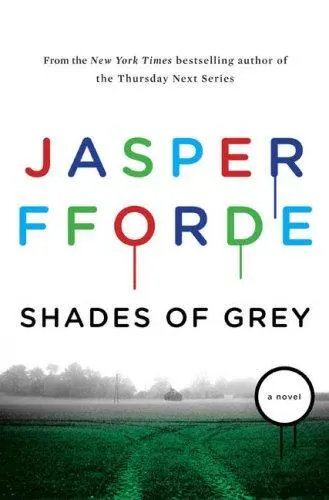
In Eddie Russett’s world, social rank and occupation are determined by which colors a person can see. Life is governed by an immense rulebook whose regulations range from mildly ridiculous to quietly horrifying—and Eddie has been raised to regard most of it as perfectly sensible.
Fforde understands, as Pratchett did, that the funniest invented systems are built from recognizable human habits: status anxiety, managerial jargon, arbitrary tradition, and the desire to obey without asking who benefits. Yet this is no mere parade of eccentricities. Eddie’s growing curiosity gives the comedy urgency, while the meticulously planted mysteries make every absurd rule feel consequential. Its devoted readers waited nearly fifteen years for a sequel; once you enter its chromatic, sinister, irresistibly peculiar world, that loyalty makes complete sense.
If you loved Nation
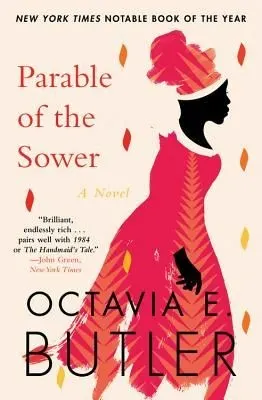
Lauren Olamina lives in a collapsing America and has already stopped believing what her preacher father believes. Like Mau, she responds to catastrophe not with passive despair but with fierce intellectual work: if the old answers have failed, what truths could help people endure, cooperate, and begin again?
Butler makes philosophy practical—belief is measured against hunger, violence, fear, and the difficulty of trusting strangers. The novel is far harsher than Nation, but it shares Pratchett’s conviction that communities are made through choices rather than inherited intact. Long regarded as one of Butler’s masterworks, it has only grown more urgent and influential. Lauren’s clear-eyed determination is unforgettable.
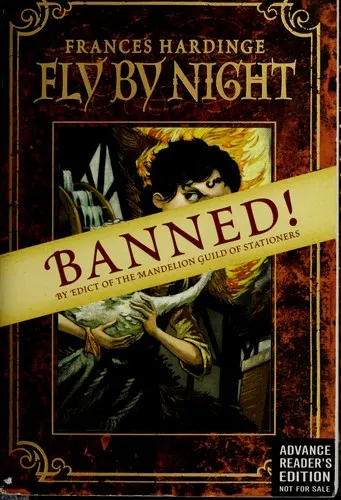
If you loved the way Nation turns argument, rebellion, and absurdity into adventure, meet Mosca Mye: a sharp, suspicious girl in a society crowded with minor gods, political factions, and people eager to control what others may read. She escapes home accompanied by a homicidal goose and falls in with a word-drunk con man whose eloquence is almost—but not quite—a substitute for principles.
Hardinge shares Pratchett’s gift for making invented institutions simultaneously hilarious and alarmingly plausible. Her sentences crackle, her world has intellectual bite, and Mosca’s education in freedom never becomes a tidy moral lesson. Hardinge’s debut won the Branford Boase Award; it already displays the verbal brilliance and moral seriousness that have made her one of Britain’s most admired writers for younger readers.
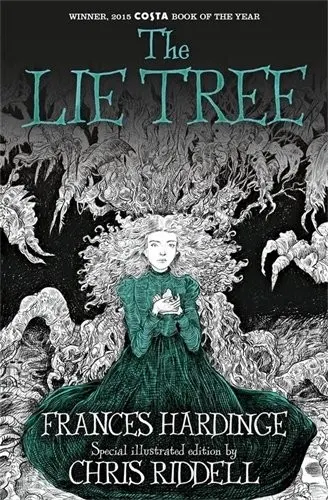
Faith Sunderly, the disregarded daughter of a clergyman and naturalist, is ravenous for scientific knowledge in a world that considers female intelligence embarrassing. As whispers of scandal close around her family, she begins observing the adults with the exacting attention they reserve for specimens.
Nation readers will recognize the deeper contest: not simply science against religion, but honest doubt against the stories people use to protect authority. Hardinge understands that discovering a lie can be exhilarating, dangerous, and personally devastating. Her eerie central invention gives deception a physical appetite, while Faith has something of Daphne’s curiosity sharpened into fury. The Lie Tree became the rare children’s novel to win the overall Costa Book of the Year—and its combination of gothic suspense, grief, and fearless inquiry fully earns that distinction.