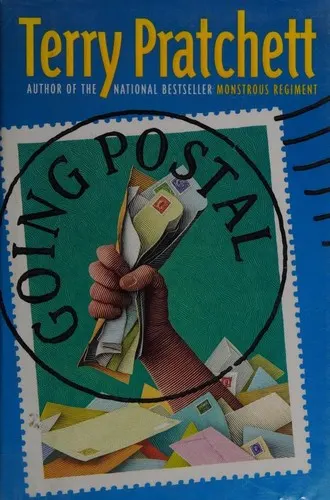
Books like Going Postal
A noose, a trapdoor, and then—against every reasonable expectation—a job offer: if that turn delighted you, try these three novels about wit, work, and surviving institutions that deserve to collapse.
If you liked Going Postal, you’ll love these
Not lookalikes — kindred books. Each one shares something essential with Going Postal, and we tell you exactly what.
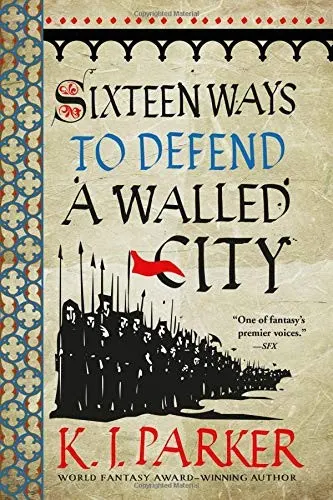
Orhan is an engineer, an outsider, and a gifted improviser who finds himself responsible for a city under siege. Like Moist von Lipwig, he survives by reading people quickly, treating rules as raw material, and manufacturing confidence before anyone notices how little of it is justified.
Parker makes logistics—bridges, supplies, labor, chains of command—into exhilarating narrative machinery. The dry first-person voice is superb, full of ingenious solutions and morally dubious admissions. This is Pratchett’s cult of competence stripped of some warmth and given sharper teeth: funny, skeptical, and impossible to stop reading once Orhan starts turning catastrophe into a project plan.

Sandra Foster studies how fads begin inside HiTek, a research company whose management worships acronyms, compulsory initiatives, and paperwork that obstructs the work it supposedly supports. Her attempt to conduct actual science amid corporate nonsense brings her together with a chaos theorist, a flock of sheep, and one of fiction’s most memorably exasperating assistants.
Willis shares Pratchett’s rare ability to make bureaucracy both absurd and revealing. Beneath the farce is a generous faith in curiosity, competence, and people who quietly keep things functioning. The romantic thread is light-footed, the comic timing immaculate, and the satire remains unnervingly current. This Nebula-finalist is one of Willis’s enduring comic pleasures: short enough to devour, clever enough to revisit.
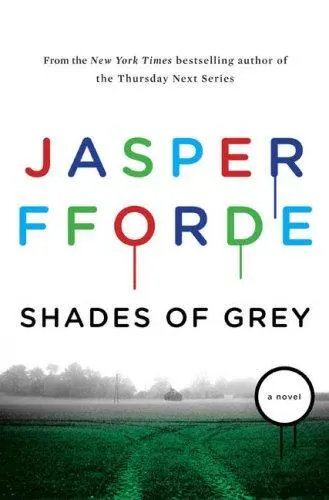
In Eddie Russett’s world, social rank and occupation are determined by which colors a person can see. Life is governed by an immense rulebook whose regulations range from mildly ridiculous to quietly horrifying—and Eddie has been raised to regard most of it as perfectly sensible.
Fforde understands, as Pratchett did, that the funniest invented systems are built from recognizable human habits: status anxiety, managerial jargon, arbitrary tradition, and the desire to obey without asking who benefits. Yet this is no mere parade of eccentricities. Eddie’s growing curiosity gives the comedy urgency, while the meticulously planted mysteries make every absurd rule feel consequential. Its devoted readers waited nearly fifteen years for a sequel; once you enter its chromatic, sinister, irresistibly peculiar world, that loyalty makes complete sense.