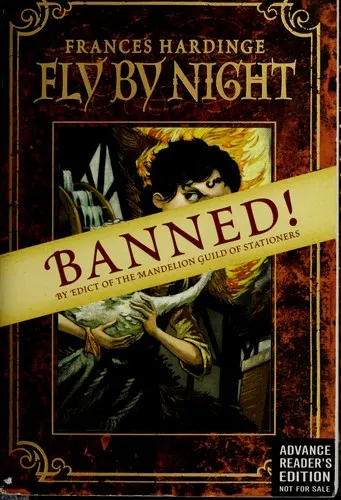
Books like Fly by Night
In these books, nimble fingers slip behind the painted scenery of power and expose the pulleys, trapdoors, and frightened people keeping it upright.
If you liked Fly by Night, you’ll love these
Not lookalikes — kindred books. Each one shares something essential with Fly by Night, and we tell you exactly what.
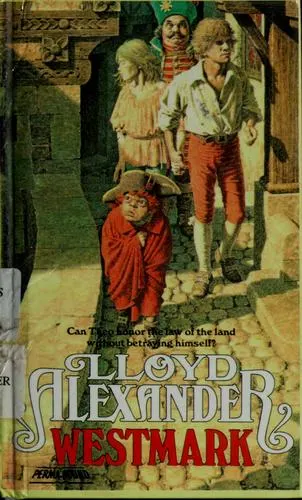
Theo, a printer’s apprentice, is driven into the company of a silver-tongued charlatan after an illicit printing job goes disastrously wrong. Yet the deepest kinship with Fly by Night is not printers or rogues: it is Alexander’s conviction that stories, lies, and slogans can alter a country—and that resisting tyranny does not automatically make anyone virtuous.
This National Book Award winner begins with the buoyancy of a picaresque adventure, then subjects idealism, revolution, and political violence to unusually searching moral scrutiny. Alexander writes more sparely than Hardinge, but with the same respect for young readers’ intelligence. Westmark is the rare adventure that makes every escape exciting while quietly asking what freedom costs.
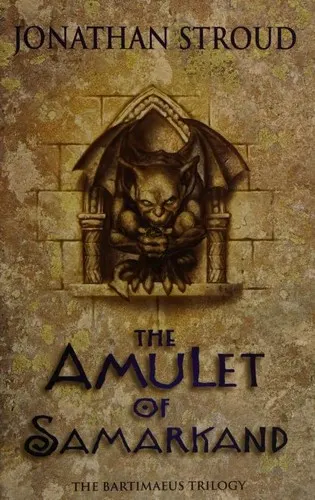
Nathaniel, a gifted and aggrieved magician’s apprentice, summons the ancient djinni Bartimaeus to help him take revenge on a powerful official. Bartimaeus narrates much of the resulting catastrophe with gloriously insolent footnotes, puncturing pomposity even while danger closes in.
A Fly by Night reader will recognize the exhilarating collision of verbal comedy and institutional cruelty. Stroud’s London is governed by magicians who treat exploitation as public service; his protagonists are vain, compromised, resourceful, and capable of surprising loyalty. The devoted following of the Bartimaeus sequence begins here, with a narrator whose wit is not decoration but a weapon against every solemn fraud in authority.
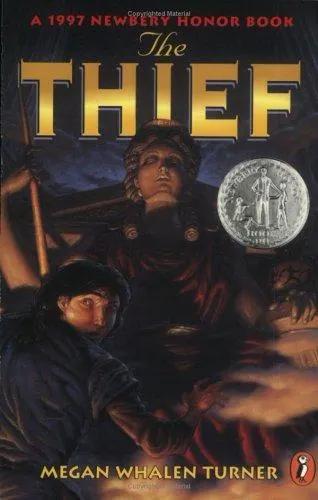
Gen is in prison because he stole something and then boasted about it. When the king’s Magus recruits him to steal an object of political importance, Gen joins the expedition complaining, provoking, and observing far more than his companions realize.
Like Hardinge, Turner understands the pleasure of an apparently disreputable protagonist moving among adults who continually misjudge them. Her politics emerge through grudges, manners, myths, and tiny acts of vanity rather than explanatory lectures; seemingly casual details acquire weight. This Newbery Honor novel opened the much-loved Queen’s Thief series, whose readers become famously evangelical about it. Read attentively: Turner makes the act of noticing as thrilling as the theft itself.