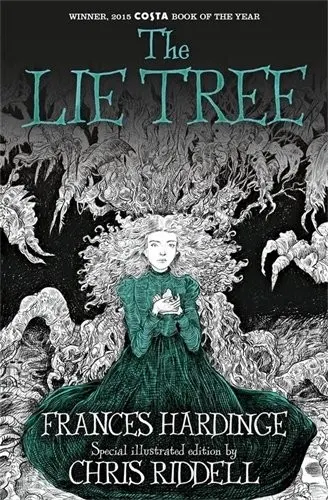
Books like The Lie Tree
Faith’s hunger for truth is both her great strength and her most dangerous appetite—and the respectable adults around her are far less trustworthy than the monster in the tree.
If you liked The Lie Tree, you’ll love these
Not lookalikes — kindred books. Each one shares something essential with The Lie Tree, and we tell you exactly what.
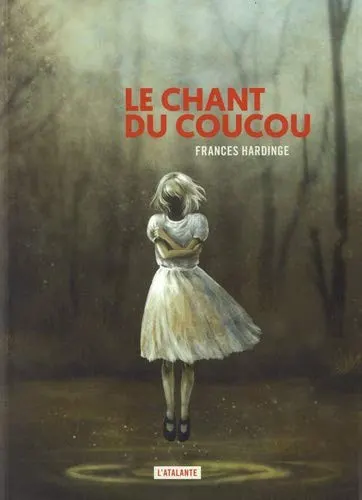
Hardinge again makes a girl’s anger, suspicion, and refusal to behave into instruments of discovery. After an accident, Triss wakes feeling subtly wrong: her memories slip, her hunger is unnatural, and her family’s reassurances sound increasingly like rehearsed lies. The result is domestic Gothic at its finest, turning bedrooms, dolls, and sibling resentments uncanny.
Like The Lie Tree, this Carnegie-shortlisted novel never settles for a simple opposition between brave children and wicked adults. Its deceptions grow from grief and love as often as malice, and its frightening magic reveals what a family cannot admit aloud. Few writers make the monstrous so unsettling—or so deserving of compassion.
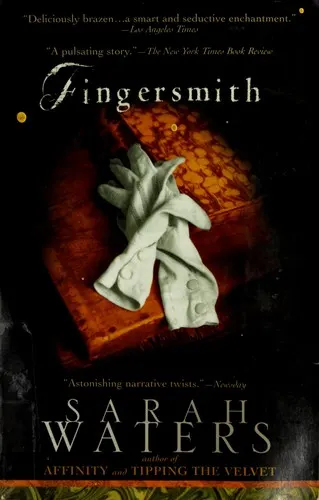
Sue Trinder, raised among thieves in Victorian London, agrees to help a charming con man defraud a sheltered heiress. That opening scheme is only the first layer in a novel built with the intricate precision of a trap.
A lover of The Lie Tree will recognize its fascination with lies as a form of power: who is permitted knowledge, whose testimony counts, and how women learn to maneuver inside systems designed to confine them. Waters’s sensuous, grimy prose makes every glove, locked room, and hesitation significant. Booker-shortlisted and widely regarded as a modern Gothic masterpiece, Fingersmith delivers narrative shocks without sacrificing psychological truth; its cleverness is inseparable from its fury.
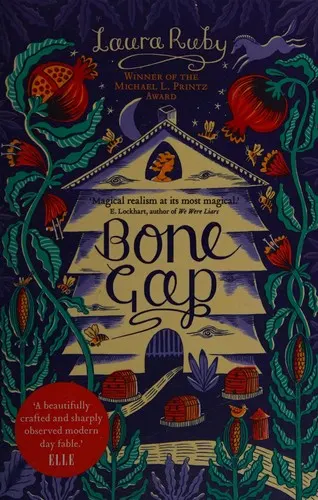
Roza has vanished, and Finn—the only witness—cannot describe the man who took her. Their small town decides Finn is unreliable and Roza simply chose to leave. Bone Gap begins inside that failure of belief, then opens into something stranger: a lyrical mystery about beauty, perception, and the stories communities use to dismiss girls.
Where The Lie Tree asks how falsehood can acquire physical force, Ruby asks what happens when people see only what they expect to see. Her magic feels dreamlike, but her understanding of misogyny is exact and unsentimental. Winner of the Printz Award, Bone Gap has the rare combination of a fairy tale’s haunting inevitability and a fiercely modern insistence that being looked at is not the same as being known.