Author
Books like Shirley Hazzard
5 books we recommend to Shirley Hazzard readers, drawn from The Transit of Venus and The Great Fire — each with the reason why.
If you loved The Transit of Venus
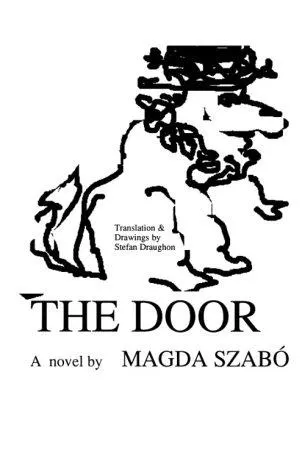
The narrator, a writer, hires the formidable Emerence to keep house—and tells us immediately that she bears responsibility for what happened between them. From that confession, Szabó constructs an intimate contest between two proud women whose affection is inseparable from secrecy, authority, gratitude, and betrayal.
Like The Transit of Venus, The Door makes hindsight feel tragic rather than clarifying: the narrator can interpret every charged exchange, yet interpretation cannot repair it. Len Rix’s translation preserves a prose at once severe and feverishly emotional. Long revered in Hungary and now an international classic, this is the rare novel whose final moral force seems to alter everything that preceded it.
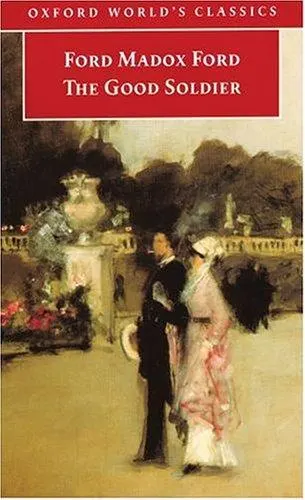
“This is the saddest story I have ever heard” is not merely a famous opening; it is the key to one of fiction’s most intricate demonstrations of how badly people understand the lives nearest them. An American narrator looks back on the friendship between two apparently civilized couples who met at a German spa, rearranging memories as his certainties fail him.
A reader who loved Hazzard’s devastating foreshadowing and temporal leaps will recognize the pleasure here: crucial facts appear almost casually, then gather fatal weight. Ford’s narrator is less a puzzle to solve than a consciousness to inhabit, full of blindness, tenderness, and self-protection. The Good Soldier has influenced generations of novelists because its structure does what memory itself does—circles, suppresses, revises—and few books make rereading so necessary or so rewarding.
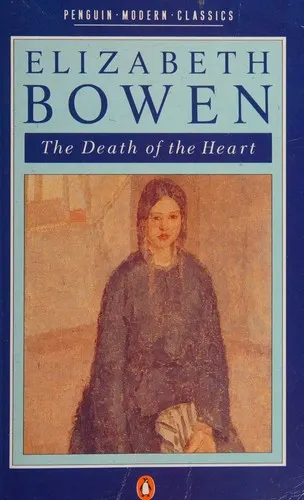
Sixteen-year-old Portia arrives in the polished London household of her half-brother Thomas and his wife, Anna. She watches the adults with disconcerting openness; they, in turn, resent the judgment implied by her innocence. When Anna secretly reads Portia’s diary, Bowen establishes the novel’s central cruelty: sophisticated people claiming the right to define feelings they are too defended to experience honestly.
Bowen matches Hazzard in her ability to turn drawing-room conversation into emotional combat. A hesitation, a visit, or a slightly false phrase exposes entire systems of class, vanity, and fear. Yet Portia is never merely a victim, nor are the adults simple villains; everyone is caught between the desire to love and the wish to remain invulnerable. Often regarded as Bowen’s masterpiece, The Death of the Heart offers the same bracing exhilaration as Hazzard: elegance sharpened until it cuts.
If you loved The Great Fire
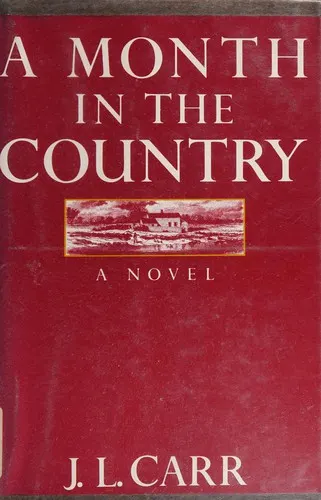
Like Aldred Leith, Tom Birkin has survived a war without escaping it. In the summer of 1920, he comes to a Yorkshire village to uncover a medieval church painting; the patient work, the landscape, and the possibility of companionship begin to restore sensations he thought had been destroyed.
Carr never sentimentalizes recovery. Feeling accumulates through weather, meals, manual labor, and what people cannot quite bring themselves to say. This brief novel—winner of the Guardian Fiction Prize and shortlisted for the Booker—has become a quiet classic because its restraint makes its final emotional force almost unbearable. It offers the same rare pleasure as The Great Fire: beauty made more precious, not less, by an exact knowledge of loss.
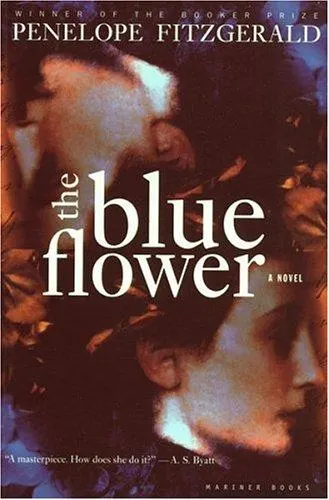
The kinship here lies in the treatment of love as an intellectual and moral mystery. In late-eighteenth-century Germany, the young thinker who will become the poet Novalis decides that the seemingly ordinary Sophie von Kühn is his destiny. Fitzgerald neither explains away his conviction nor turns it into conventional romance; she makes the reader inhabit its strangeness.
Her method is quicker and more comic than Hazzard’s, but equally exact: a household, a philosophy, or a character can spring alive in half a sentence. The historical world feels used, muddy, argumentative, and immediate rather than decoratively reconstructed. The Blue Flower won the National Book Critics Circle Award and is often considered Fitzgerald’s finest novel. Readers drawn to Hazzard’s union of ardor, intelligence, and unsparing judgment will find it indispensable.