Author
Books like Randall Jarrell
6 books we recommend to Randall Jarrell readers, drawn from Pictures from an Institution and The Animal Family — each with the reason why.
If you loved Pictures from an Institution
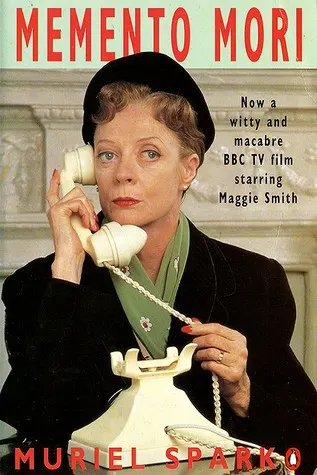
An anonymous caller is telephoning elderly Londoners with the message, “Remember you must die.” From that wonderfully severe premise, Spark constructs an ensemble comedy of grievances, alliances, pretensions, and concealed histories.
A Jarrell admirer will recognize the exhilarating authority of the narration: characters are captured in a phrase, stripped of self-deception, and yet never reduced to jokes. Like Pictures from an Institution, the novel is wicked without being merely cynical; mortality gives its comedy weight, while Spark’s diamond-hard concision keeps every page alive. One of her most admired novels, it offers that same uncommon sensation of being in the hands of a writer who misses absolutely nothing.
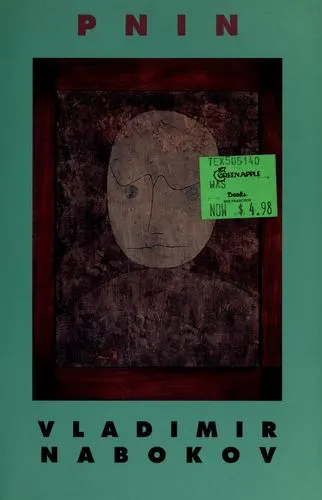
Timofey Pnin, a Russian émigré teaching at an American college, first appears on the wrong train, carrying a lecture he may never deliver. Nabokov turns his misadventures into magnificent comedy—but the book’s deepest kinship with Jarrell lies in its unstable mixture of mockery, affection, and pain.
Pnin’s colleagues classify him far more easily than they understand him, while the narrator’s polished confidence gradually becomes part of the novel’s intrigue. Jarrell’s readers will relish the precise academic grotesques, the verbal brilliance, and the way a supposedly ridiculous person acquires unsuspected dignity. Brief, intricate, and beloved by many Nabokov readers above his flashier works, Pnin is one of the great demonstrations that comic characterization can become an act of justice.
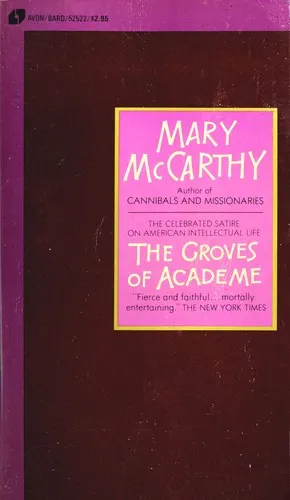
At Jocelyn College, an instructor facing dismissal protects himself with a claim calculated to inflame the institution’s liberal conscience. McCarthy then follows the resulting campaign through committees, friendships, ideological loyalties, and private acts of cowardice.
This is the recommendation for readers who most loved Jarrell’s exposure of institutional language: noble principles become social weapons, and everyone’s account of events conveniently flatters the teller. McCarthy keeps shifting the angle, revealing fresh absurdities and uncomfortable qualifications; no faction receives a moral exemption. Published in 1952, it helped establish the modern American campus novel, but its real distinction is still its merciless intelligence. Read beside Jarrell, it feels less like a period piece than a second master class in how institutions teach clever people to deceive themselves.
If you loved The Animal Family
A clockwork mouse and his son can move only when someone winds them, yet the child dreams of becoming “self-winding” and finding a real home. From that fragile wish, Hoban builds one of the most beloved and philosophically rich children’s novels of the twentieth century.
Like Jarrell, Hoban never treats gentleness as mere sweetness. His animals encounter danger, absurdity, selfishness, and loss, but the book’s deepest faith is in the families that vulnerable creatures make for themselves. The prose is witty and strange, the emotions startlingly adult, and the bond between father and son unforgettable. Anyone moved by the hunter, mermaid, bear, and lynx becoming a household may feel that this book has been waiting for them.
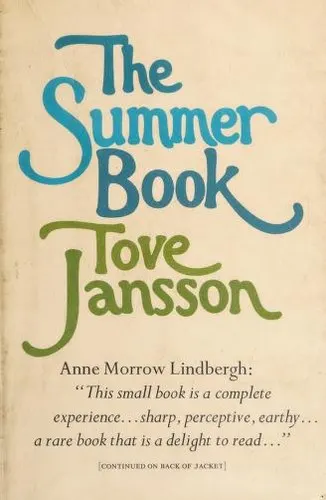
On a tiny Finnish island, an elderly artist and her young granddaughter explore the rocks, argue, invent stories, study insects, and live beside an unpredictable sea. Jansson makes these small events feel immense without ever forcing their significance.
What it shares with The Animal Family is a rare attentiveness: affection appears through habits, silences, practical kindness, and exact observation of weather and wild creatures. Its humor is dry, its grief almost weightless, and its island seems both wholly real and faintly enchanted. Long cherished by readers who return to it for solace, The Summer Book is brief enough to read in an afternoon and capacious enough to inhabit for years.
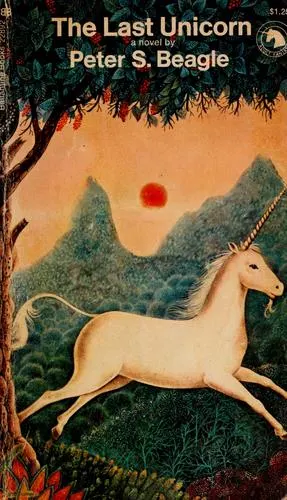
Beagle’s unicorn begins in an immortal forest, overhears that she may be the last of her kind, and ventures into the human world. The premise is archetypal; the voice is anything but. Beagle writes with playful intelligence, piercing beauty, and a melancholy that never curdles into gloom.
Jarrell’s admirers will recognize the same refusal to separate wonder from sorrow. Magical beings are not decorations here: they have temperaments, blind spots, dignity, and needs that humans only partly understand. Since its 1968 publication, the novel has inspired an unusually devoted readership because it changes as its readers age. To miss it is to miss one of fantasy’s rare books that feels at once like a remembered fairy tale and an experience entirely its own.