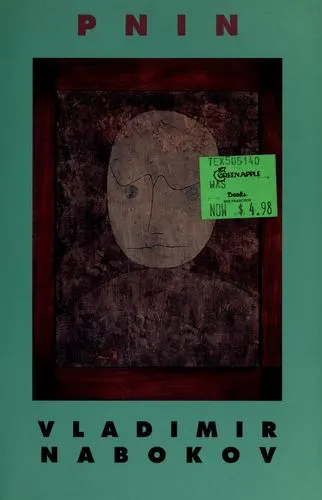
Books like Pnin
—because Pnin’s real marvel is the way comedy protects, rather than diminishes, a vulnerable human being. These three novels share that rare doubleness: formal wit, eccentric lives, and sorrow handled without sentimentality.
If you liked Pnin, you’ll love these
Not lookalikes — kindred books. Each one shares something essential with Pnin, and we tell you exactly what.
Gerhardie’s cult classic turns a sprawling multilingual family into a carnival of vanity, misunderstanding and thwarted longing. Its young narrator observes everyone with Nabokovian relish, yet his own blind spots gradually become part of the comedy.
Like Pnin, it understands exile as both linguistic absurdity and permanent emotional weather. Gerhardie—admired by writers including Evelyn Waugh and Graham Greene—can make a character ridiculous in one sentence and heartbreaking in the next. Anyone who loves Pnin’s collision of verbal brilliance and homesickness should discover this neglected comic masterpiece.
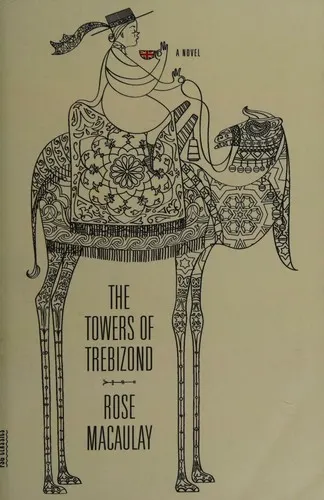
It begins with an aunt, a camel and a proposed Anglican mission to Turkey, and proceeds in a tone of serene, glittering lunacy. But Macaulay’s narrator is concealing a private ache, and the novel’s apparent lightness acquires an extraordinary emotional undertow.
That tonal trapdoor will feel familiar to a Pnin reader: eccentric people are allowed their full comic splendor, while pain waits quietly beneath the performance. Winner of the James Tait Black Memorial Prize, The Towers of Trebizond has endured because its famous wit is inseparable from its moral seriousness. Its final effect is much larger—and sadder—than its mischievous opening suggests.
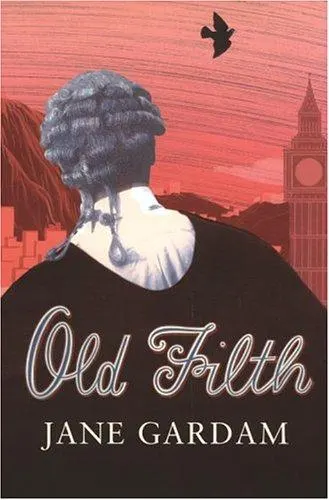
Sir Edward Feathers, a retired judge known by the colonial nickname FILTH—“Failed in London, Try Hong Kong”—initially appears as an imposing, faintly absurd relic. Gardam then builds his life from deft fragments, omissions and sideways revelations, making every habit and social misstep carry unsuspected weight.
The kinship with Pnin lies in this patient restoration of dignity. Both novels invite us to smile at a solitary, displaced man before showing how inadequate that smile is. Gardam’s crystalline compression, sly narrative engineering and refusal of easy pathos have earned Old Filth unusually devoted readers and two companion novels. Once Feathers has entered your imagination, not knowing the rest of him feels like a genuine loss.