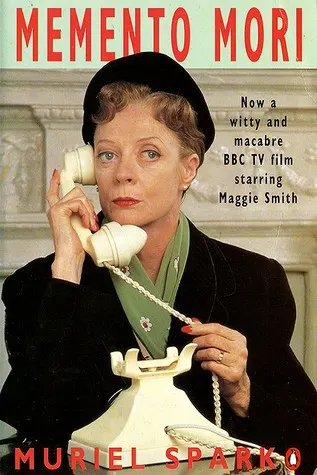
Books like Memento Mori
You already know how exhilarating a novel about mortality can be when it refuses solemnity. These three share Spark’s economy, unsentimental eye and talent for making old age comic, frightening and morally revealing.
If you liked Memento Mori, you’ll love these
Not lookalikes — kindred books. Each one shares something essential with Memento Mori, and we tell you exactly what.
Pym follows four unmarried office workers approaching retirement, recording their routines, irritations and tentative connections with devastating precision. Like Spark, she can make a small social slight both extremely funny and spiritually consequential.
This is the gentlest recommendation here, but not the softest: loneliness, bodily decline and the fear of becoming socially invisible are confronted without consolation or sentimentality. Shortlisted for the Booker Prize and now widely regarded as Pym’s masterpiece, it turns apparently uneventful lives into an exquisitely controlled comedy of mortality.
If you relished Spark’s refusal to make elderly characters wise, sweet or dignified on demand, meet Amis’s circle of aging Welsh friends: drinkers, adulterers, bores and score-settlers whose old rivalries remain ferociously alive.
The comedy is broader and more bibulous than Spark’s, yet the underlying achievement is similar. Amis catches the indignities of failing bodies while preserving every appetite, vanity and grievance inside them. Winner of the Booker Prize and often judged his late masterpiece, The Old Devils is monstrously funny precisely because it understands that age changes the available opportunities, not necessarily the soul.
Ninety-two-year-old Marian Leatherby acquires a hearing trumpet and discovers that her family plans to send her to an institution. From that plain betrayal, Carrington launches an increasingly strange, occult and anarchic adventure—but Marian’s dry, practical voice keeps even the wildest developments sharply comic.
Where Memento Mori makes death an intrusive caller, this cult classic treats extreme age as an escape route from ordinary reality. Carrington shares Spark’s delight in puncturing respectable institutions and her confidence that metaphysical questions need not be handled reverently. The result is liberating, mischievous and unlike almost anything else: a novel in which an old woman does not fade from the world but helps make it wonderfully unstable.