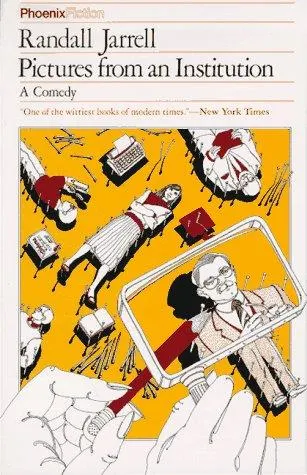
Books like Pictures from an Institution
Begin far from campus, among the elderly Londoners of Muriel Spark’s Memento Mori. What connects these books is not academic life but a rarer pleasure: ruthless social observation governed by moral intelligence. Spark, Nabokov, and McCarthy all understand, as Jarrell did, that vanity is funniest—and most revealing—when the novelist sees straight through it.
If you liked Pictures from an Institution, you’ll love these
Not lookalikes — kindred books. Each one shares something essential with Pictures from an Institution, and we tell you exactly what.
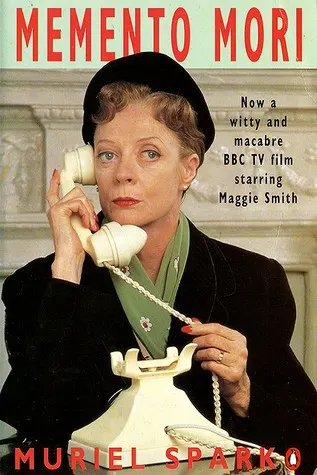
An anonymous caller is telephoning elderly Londoners with the message, “Remember you must die.” From that wonderfully severe premise, Spark constructs an ensemble comedy of grievances, alliances, pretensions, and concealed histories.
A Jarrell admirer will recognize the exhilarating authority of the narration: characters are captured in a phrase, stripped of self-deception, and yet never reduced to jokes. Like Pictures from an Institution, the novel is wicked without being merely cynical; mortality gives its comedy weight, while Spark’s diamond-hard concision keeps every page alive. One of her most admired novels, it offers that same uncommon sensation of being in the hands of a writer who misses absolutely nothing.
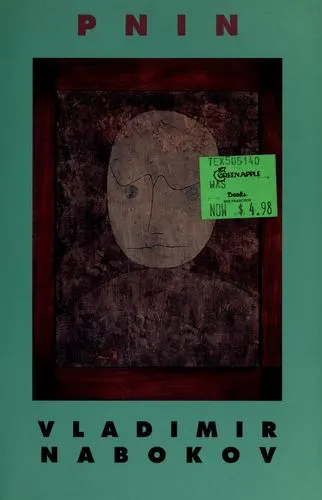
Timofey Pnin, a Russian émigré teaching at an American college, first appears on the wrong train, carrying a lecture he may never deliver. Nabokov turns his misadventures into magnificent comedy—but the book’s deepest kinship with Jarrell lies in its unstable mixture of mockery, affection, and pain.
Pnin’s colleagues classify him far more easily than they understand him, while the narrator’s polished confidence gradually becomes part of the novel’s intrigue. Jarrell’s readers will relish the precise academic grotesques, the verbal brilliance, and the way a supposedly ridiculous person acquires unsuspected dignity. Brief, intricate, and beloved by many Nabokov readers above his flashier works, Pnin is one of the great demonstrations that comic characterization can become an act of justice.
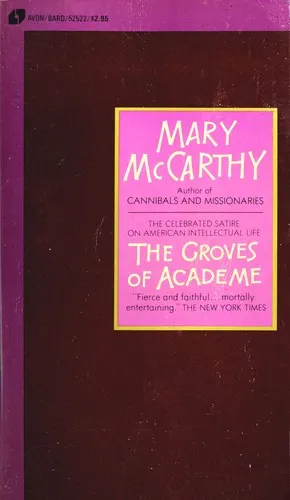
At Jocelyn College, an instructor facing dismissal protects himself with a claim calculated to inflame the institution’s liberal conscience. McCarthy then follows the resulting campaign through committees, friendships, ideological loyalties, and private acts of cowardice.
This is the recommendation for readers who most loved Jarrell’s exposure of institutional language: noble principles become social weapons, and everyone’s account of events conveniently flatters the teller. McCarthy keeps shifting the angle, revealing fresh absurdities and uncomfortable qualifications; no faction receives a moral exemption. Published in 1952, it helped establish the modern American campus novel, but its real distinction is still its merciless intelligence. Read beside Jarrell, it feels less like a period piece than a second master class in how institutions teach clever people to deceive themselves.